Surface Roughness Chart: CNC Machining Ra, Rz, and Finish Selection Guide
Surface Roughness Chart: CNC Machining Ra, Rz, and Finish Selection Guide
Surface roughness is not just about whether a part looks smooth. It affects sealing, friction, coating adhesion, assembly feel, product appearance, and manufacturing cost. For CNC prototypes and low-volume production parts, the right surface finish is usually more valuable than the lowest possible Ra number.
What surface roughness means
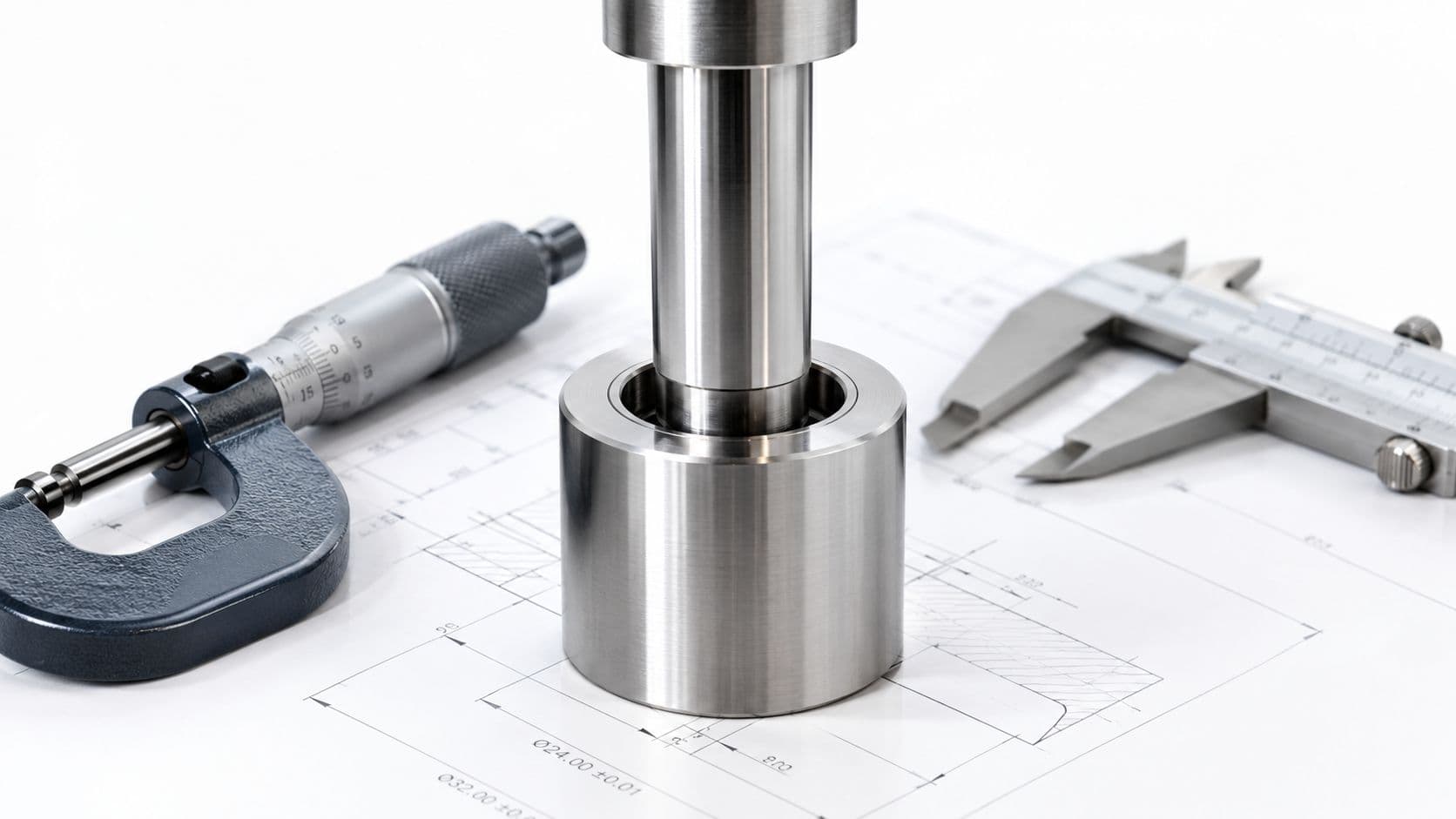
Surface roughness describes the small peaks and valleys that remain on a manufactured surface. ISO 21920-2 defines terms, definitions, and parameters for surface texture within the geometrical product specification system, while ASME B46.1 covers surface roughness, waviness, and lay as major elements of surface texture control. [1][2]
In CNC machining drawings and manufacturing quotes, the most common roughness parameter is
RaµmµinFor most CNC prototype parts, it is not necessary to specify Ra 0.8 µm or lower on every surface. Critical sealing faces, sliding surfaces, bearing fits, visible cosmetic areas, and coating-sensitive surfaces should be called out separately.
Why it affects part performance
FIRMFG provides CNC machining, 3D printing, sheet metal fabrication, injection molding, vacuum casting, and surface finishing services. Its website positions the company around CNC rapid prototyping, precision manufacturing, 24-hour delivery capability, 100+ machines, and ISO quality systems. [3] That means surface roughness should not be selected in isolation. It should be evaluated together with material, machining method, post-processing, tolerance requirements, and inspection expectations.
| Performance factor | Why surface roughness matters |
|---|---|
| Sealing | O-ring grooves, hydraulic valve seats, and face seals need controlled surface peaks and valleys. |
| Motion | Sliding, rotating, and guiding surfaces can wear faster when they are too rough, while overly polished surfaces may affect lubrication. |
| Coating | Powder coating, anodizing, plating, and painting each respond differently to the base surface condition. |
Surface roughness also affects cosmetic consistency. For robotics housings, medical device components, electronics heat sinks, and aerospace structural parts, engineers often need different finish requirements for functional and non-functional surfaces instead of applying one strict finish to the entire part.
Ra, Rz, and RMS explained
RaRzRMS| Parameter | Meaning | Best for evaluating | Drawing communication tip |
|---|---|---|---|
| Ra | Arithmetic average deviation of the roughness profile | General CNC surface finish, appearance, mating surfaces | Use as the default roughness parameter for supplier communication |
| Rz | Average peak-to-valley height across sampling lengths | Sealing faces, sliding faces, peak-related failure risk | Use together with Ra for critical functional surfaces |
| RMS | Root mean square roughness, often seen in microinch-based documents | Legacy drawings and inch-based customer specifications | Confirm the final inspection parameter after conversion |
Surface roughness conversion chart
The chart below is a practical reference for reading drawings, comparing supplier quotes, and choosing CNC surface finishes. RapidDirect’s competing article uses a similar comparison structure across Ra, RMS, CLA, Rt, and ISO N grades to help readers understand different roughness scales. [4]
| Ra µm | Ra µin | Approx. RMS µin | ISO N Grade | Typical surface description | Common applications |
|---|---|---|---|---|---|
| 12.5 | 500 | 550 | N10 | Rough machined surface | Non-mating relief areas, structural stock surfaces |
| 6.3 | 250 | 275 | N9 | Coarse milling or turning | Hidden mechanical surfaces with no contact requirement |
| 3.2 | 125 | 137.5 | N8 | Standard CNC machined finish | Brackets, internal housing faces, general structural parts |
| 1.6 | 63 | 64.3 | N7 | Good controlled machined finish | General mating faces, locating surfaces, higher-quality aluminum parts |
| 0.8 | 32 | 32.5 | N6 | Precision-machined or ground finish | O-ring grooves, sealing faces, precision sliding surfaces |
| 0.4 | 16 | 17.6 | N5 | High-quality fine finish | High-load bearing fits, precision mold features |
| 0.2 | 8 | 8.8 | N4 | Lapped, polished, or honed surface | High-precision sliding parts, gauges, special sealing surfaces |
| 0.1 | 4 | 4.4 | N3 | Superfinished surface | Instrument components and precision reference surfaces |
A conversion chart is useful for discussion, but it does not replace engineering judgment. Material, tooling, feed rate, machine rigidity, and post-processing can all change the final surface condition. The same Ra value may produce different visual results on aluminum, stainless steel, titanium, and engineering plastics.
How to choose the right Ra
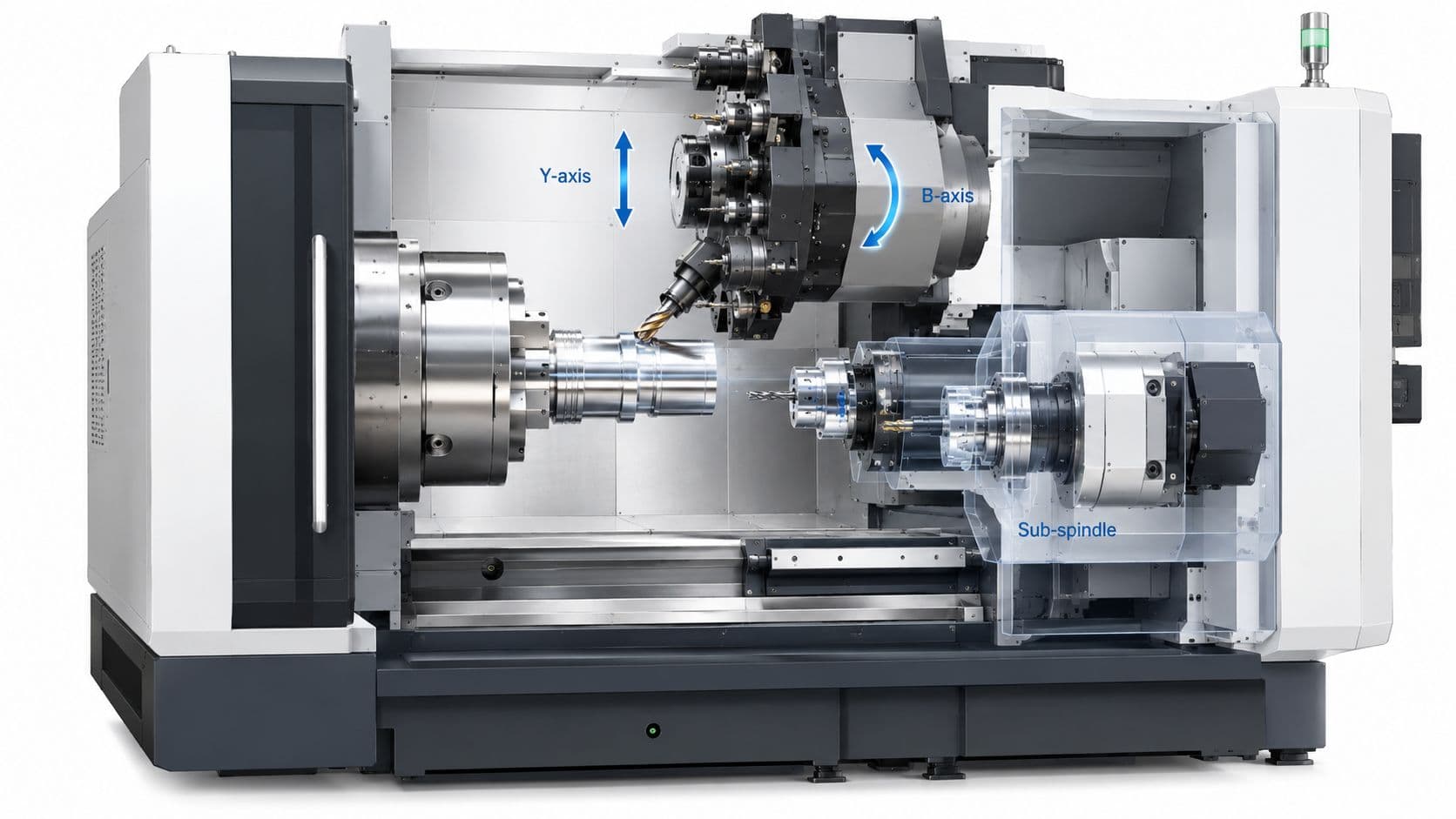
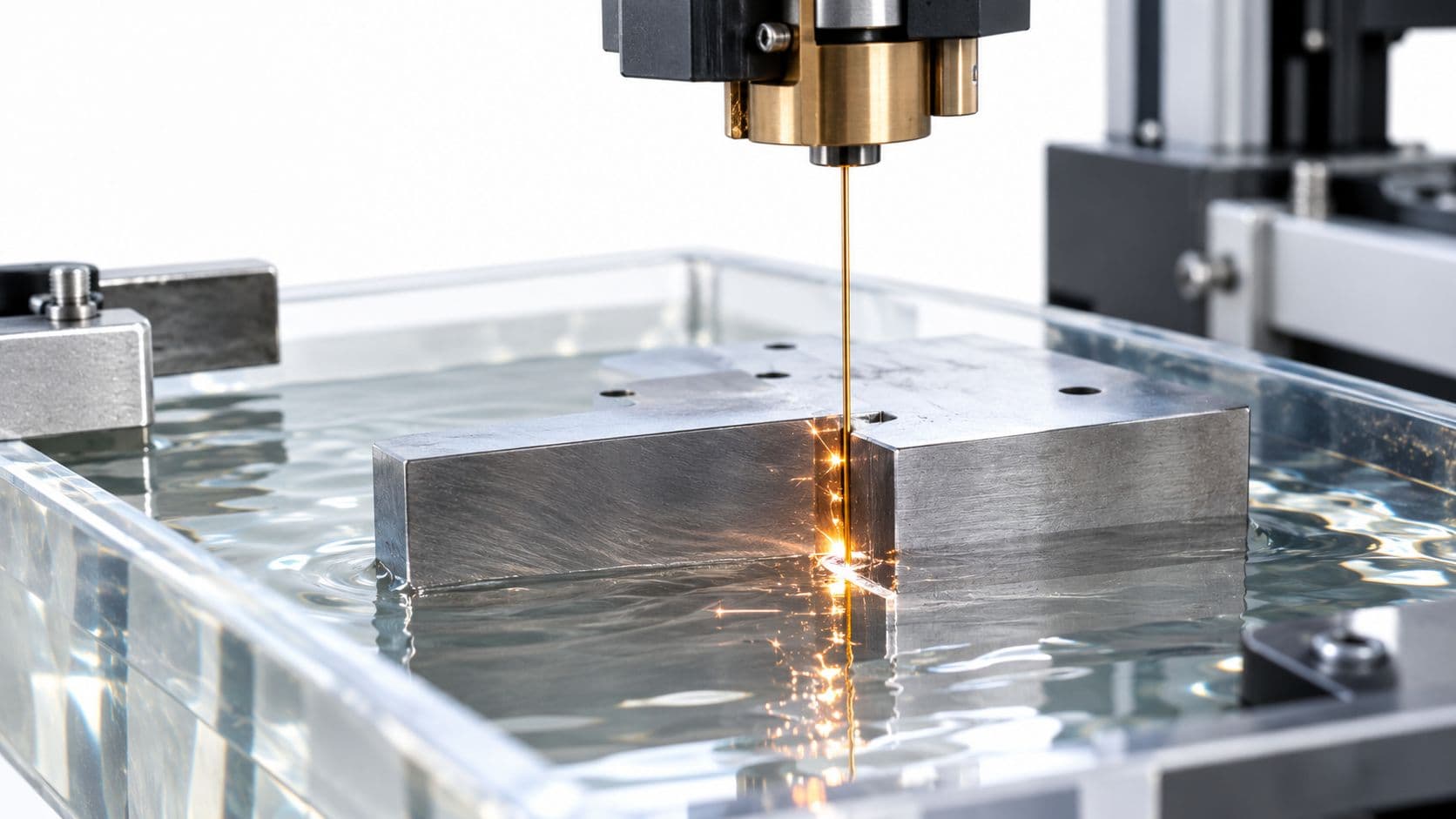
FIRMFG’s CNC machining service page lists 3-axis, 4-axis, 5-axis machining, CNC turning, wire EDM, and surface grinding, along with standard, precision, and high-precision tolerance options. [5] Surface roughness should follow a similar tiered approach: use standard machined finish for general surfaces, then tighten the requirement only where the part function justifies it.
| Part area | Suggested Ra range | Why it works | How to discuss with FIRMFG |
|---|---|---|---|
| Non-cosmetic, non-mating structural surfaces | Ra 3.2–6.3 µm | Meets many structural requirements without unnecessary finishing | State that unspecified surfaces can use standard CNC finish |
| General assembly and locating faces | Ra 1.6–3.2 µm | Balances assembly quality, machining efficiency, and cost | Specify roughness together with fit dimensions and tolerances |
| Sealing faces, O-ring grooves, sliding surfaces | Ra 0.8–1.6 µm | Helps reduce leakage, friction, and abnormal wear | Define measurement direction, critical area, and inspection method |
| Mirror-like cosmetic or special optical/instrument faces | Ra 0.4 µm or lower | Usually requires grinding, polishing, lapping, or additional finishing | Confirm manufacturability, inspection method, and cosmetic sample before quoting |
Machining and finishing guidance
Surface roughness is not determined by the CNC toolpath alone. FIRMFG’s surface finishing services include anodizing, powder coating, plating, painting, bead blasting, polishing, chemical film, and PVD options. The same page also lists anodizing thickness, powder coat thickness, and a 2–5 day finishing turnaround range. [6]
| Goal | Processes to consider | Roughness concern | Suitable parts |
|---|---|---|---|
| Uniform matte appearance | Bead blasting, anodizing | Blasting changes surface texture; tool marks should be controlled before anodizing | Aluminum housings, robotics structures, consumer electronics parts |
| Corrosion and wear resistance | Hard anodizing, electroless nickel, PVD | Functional surfaces must consider coating thickness and final dimensions | Fixtures, medical device parts, industrial motion components |
| Glossy or mirror-like appearance | Mechanical polishing, lapping, fine grinding | Low Ra alone is not enough; scratches, direction, and cosmetic samples matter | Display parts, local mold features, precision instrument surfaces |
| Paint or powder adhesion | Powder coating, painting, chemical film pretreatment | Too smooth may reduce adhesion; too rough may exaggerate orange peel and texture | Sheet metal enclosures, equipment panels, structural covers |
How to specify finish without overpaying
Over-specifying surface roughness can move a part from standard CNC machining into slower finishing, grinding, or polishing operations. The reference competitor article also treats surface roughness as a manufacturing cost driver and emphasizes avoiding unnecessarily tight Ra values on non-critical surfaces. [4]
- Separate functional and non-functional faces. For example: “Sealing face Ra 0.8 µm; all other unspecified machined surfaces Ra 3.2 µm.”
- Add finish process notes where appearance matters, such as “bead blast + black anodize,” instead of relying on Ra alone.
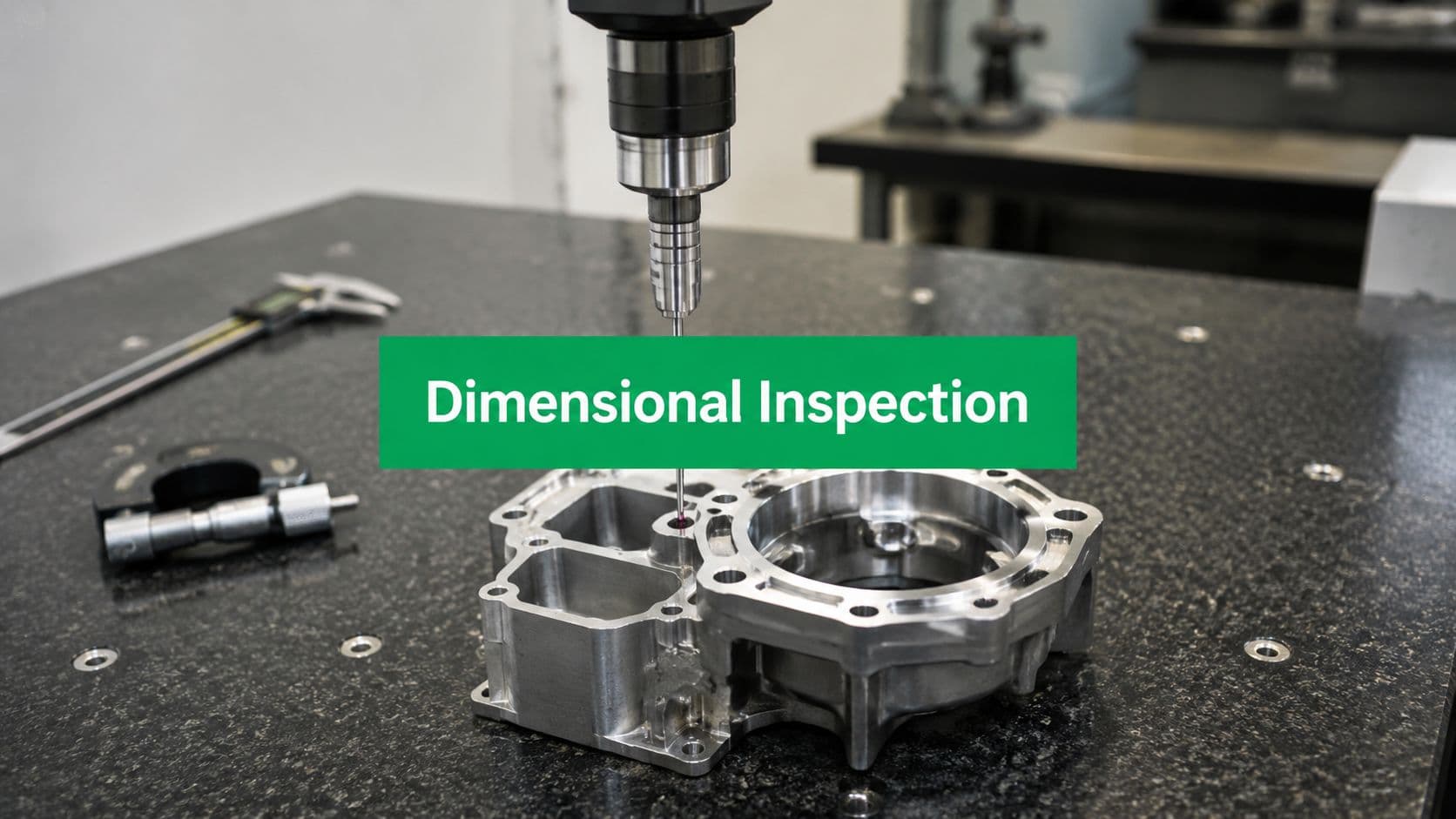
- For sliding, sealing, and bearing areas, define measurement direction, inspection area, and whether an Rz limit is required.
- If the part is still in prototype validation, start with a manufacturable Ra target and tighten only the surfaces that testing proves to be critical.
Recommended drawing note:
Unspecified machined surfaces Ra 3.2 µm; A-side cosmetic surface to be bead blasted and black anodized; B-side O-ring sealing groove Ra 0.8 µm, free of visible tool marks and burrs.
Ask FIRMFG to review your surface finish requirements
If you are not sure whether your part needs Ra 3.2, Ra 1.6, or Ra 0.8, send your CAD file, drawing, and application requirements to FIRMFG. Our engineering team can help evaluate material, machining method, tolerance, surface finishing, and inspection needs so you can balance performance, lead time, and cost.