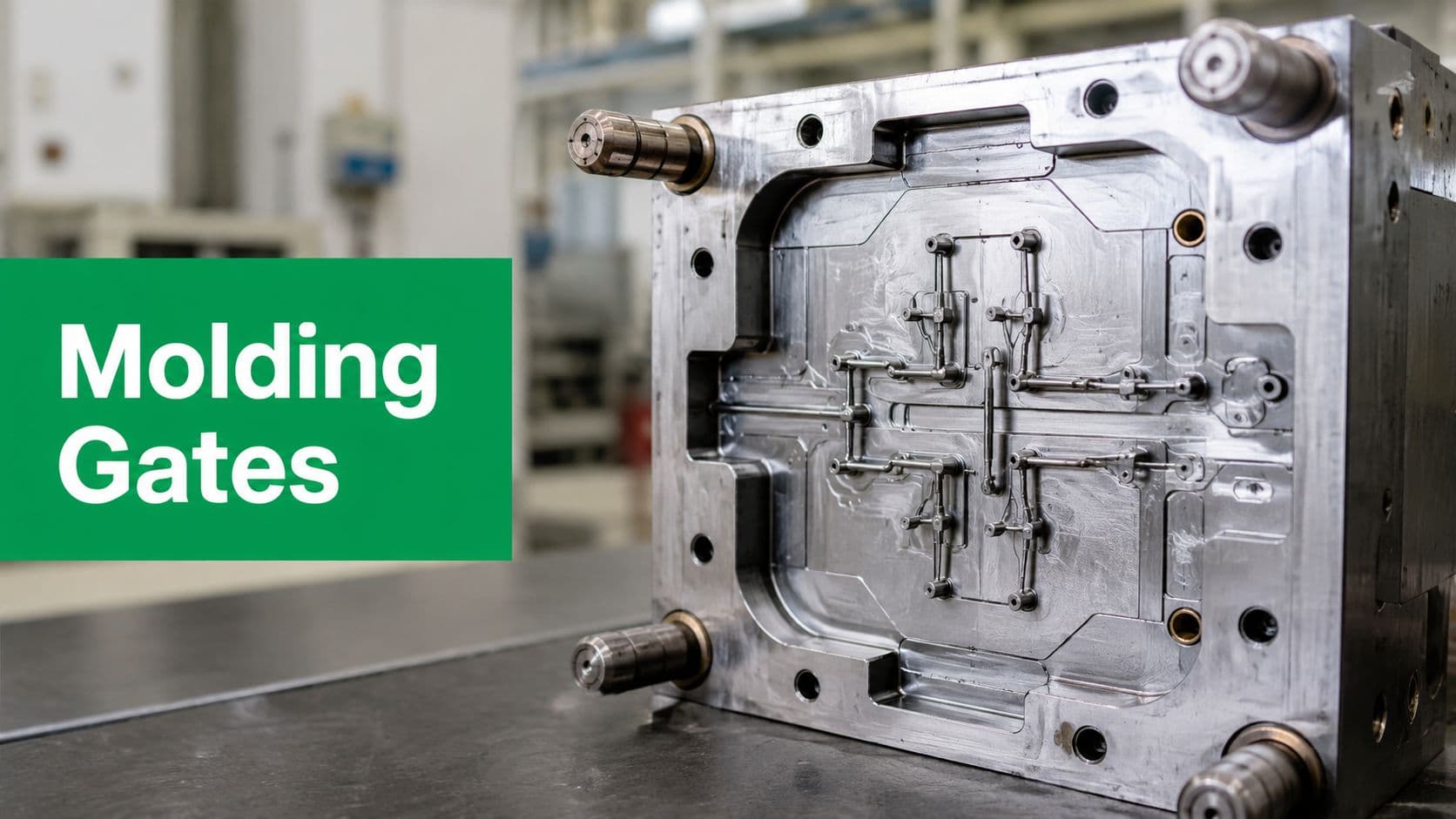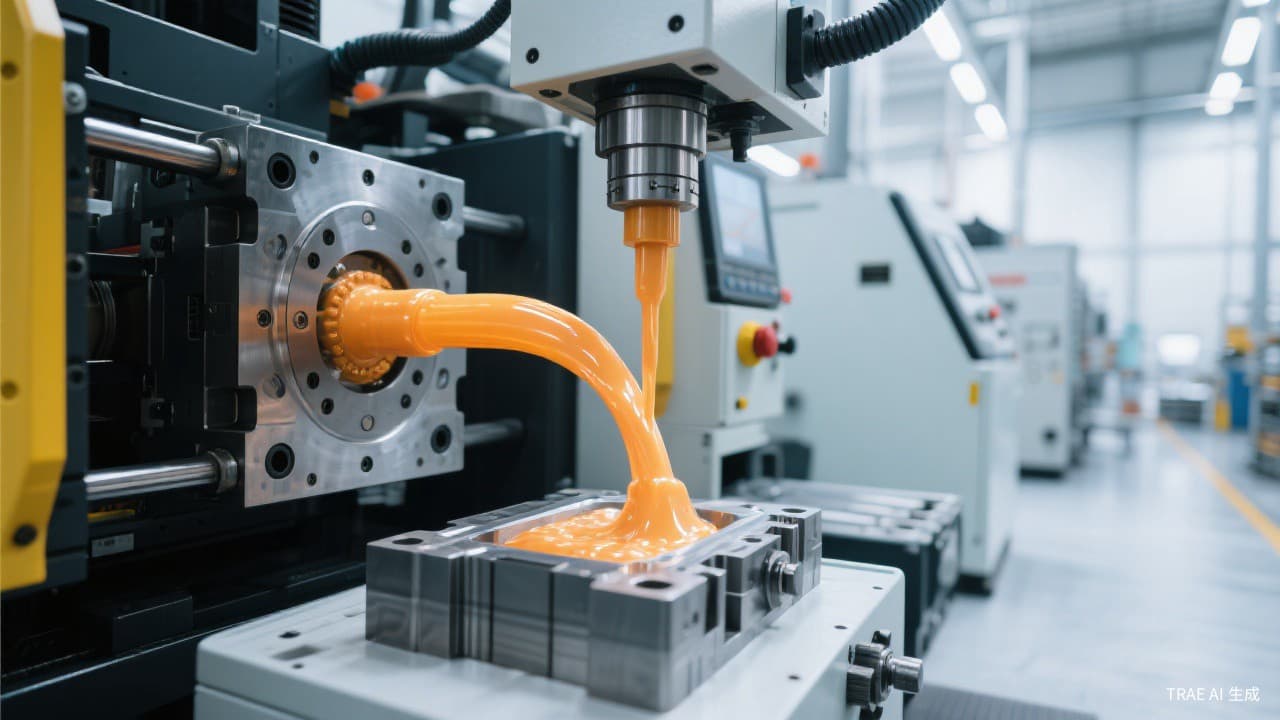
So, you're trying to choose between injection molding vs 3D printing for your project? A wise move – this choice can make or break your production.
Injection Molding and 3D-Printing: Which is Better for Your Project
So, you're trying to choose between injection molding vs 3D printing for your project? A wise move – this choice can make or break your production. Here's the deal:
Injection molding is your go-to when you require thousands of identical, durable parts.
But 3D printing? That's your best buddy for prototypes, custom designs, or when you need just a few pieces but fast.
What is Injection Molding and 3D Printing?
Injection Molding: The Mass Production Beast
Imagine squeezing melted plastic into a steel mold like Play-Doh – except it's 200°C and under crazy pressure. That's injection molding. Once that mold is made, you can pump out thousands of parts that are identical, stupid fast.
3D Printing: The Customization Wizard
Now flip that script. Instead of filling molds, 3D printers construct objects layer by layer – like a super-precise glue gun. Need a prototype tomorrow? No problem. Crazy complex geometry that would break a mold? Easy.
- FDM (Fused Deposition Molding): Your reliable workhorse. It melts plastic filament like a hot melt glue gun.
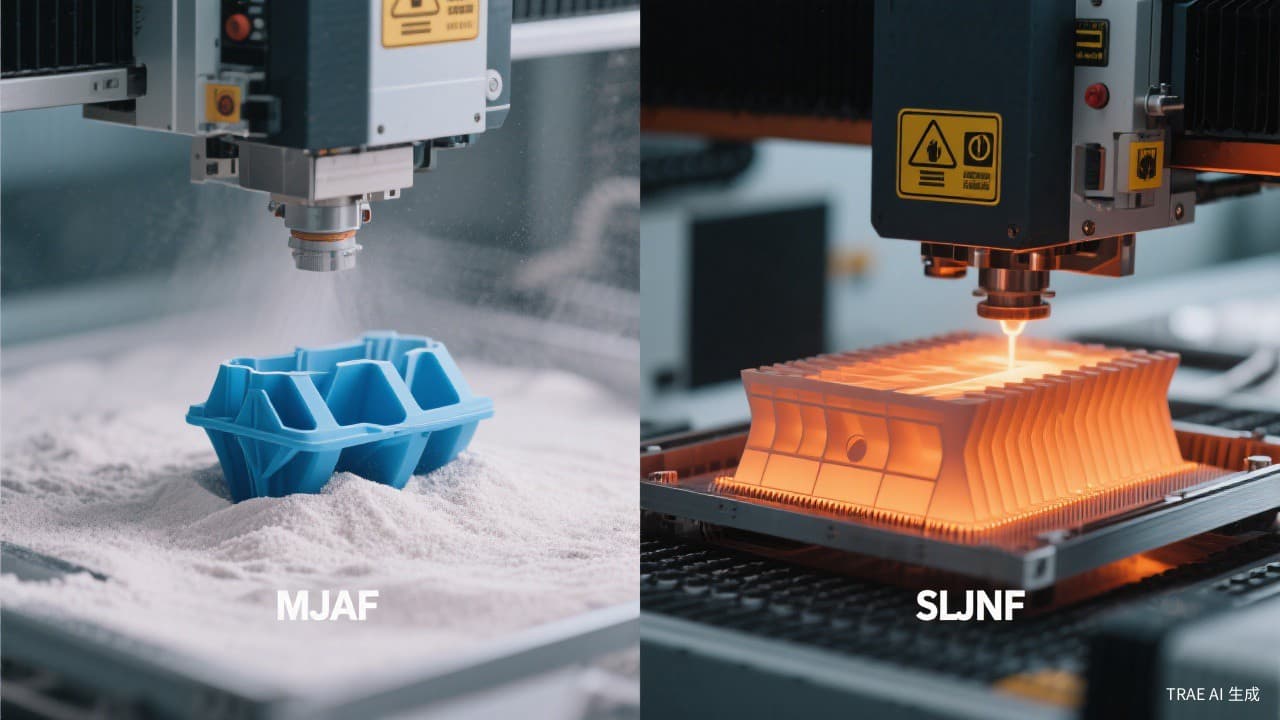
- SLA (Stereolithography): The detail ninja. Uses lasers to harden melted resin into insanely precise parts.
- SLS (Selective Laser Sintering): The support-free wizard. A laser fuses powder to make solid parts.
Injection Molding vs 3D Printing – The Ultimate Showdown
1. The Cost Equation: Volume vs Flexibility
Injection molding operates on an economy of scale. That $20,000 mold might seem painful upfront, but when amortized across 100,000 parts, it adds mere cents to each unit.
3D printing flips this model entirely. With zero tooling costs, your first part costs the same as your hundredth.
2. Material Science
Injection molding materials have stood the test of time:
- ABS plastic for flexibility and strength
- Polycarbonate for optical clarity and impact resistance
- High-temperature resins like PEEK
3D printing materials include:
- Photopolymer resins that cure harder than dental fillings
- TPU filaments that stretch like rubber
- Metal powders (aluminum, titanium)
3. The Time Factor
Injection molding lead time:
- 2 weeks for mold flow analysis
- 4 weeks for tool fabrication
- 1 week for trial runs
3D printing delivers "digital inventory" – store designs as files and print on demand.
4. Structural Integrity
Injection molded parts are isotropic – equally strong in all directions. 3D printed strength depends on layer adherence.
5. Design Philosophy
Molds demand simplicity while printers thrive on complexity:
- Draft angles (1-3°) prevent parts from sticking in molds
- Uniform wall thickness ensures even cooling
- 3D printing laughs at these constraints
When to Use Injection Molding vs 3D Printing
| **Factor** | **Injection Molding is Better When…** | **3D Printing is Better When…** |
|---|---|---|
| Production Volume | Need 1,000+ identical parts | Need 1-500 parts or unique items |
| Budget | Can invest $5k-$100k in tooling | Need low upfront costs (<$1k) |
| Timeline | Have 4+ weeks for mold creation | Need parts in days |
| Part Strength | Require maximum durability | Can accept slight anisotropy |
| Design Changes | Design is finalized | Still iterating on design |
Prepare for Your Project with LC Proto
Let's be real—prototyping and production can feel overwhelming. That's where we step in to make it actually easy.
3D Printing Services:
- SLA: For ultra-smooth finishes
- SLS: Functional parts that won't quit
- MJF: Fast, detailed parts with smooth surfaces
Injection Molding Services:
- Molds priced for real budgets
- Materials from flexible to ultra-tough
- Per-part costs optimized for scale