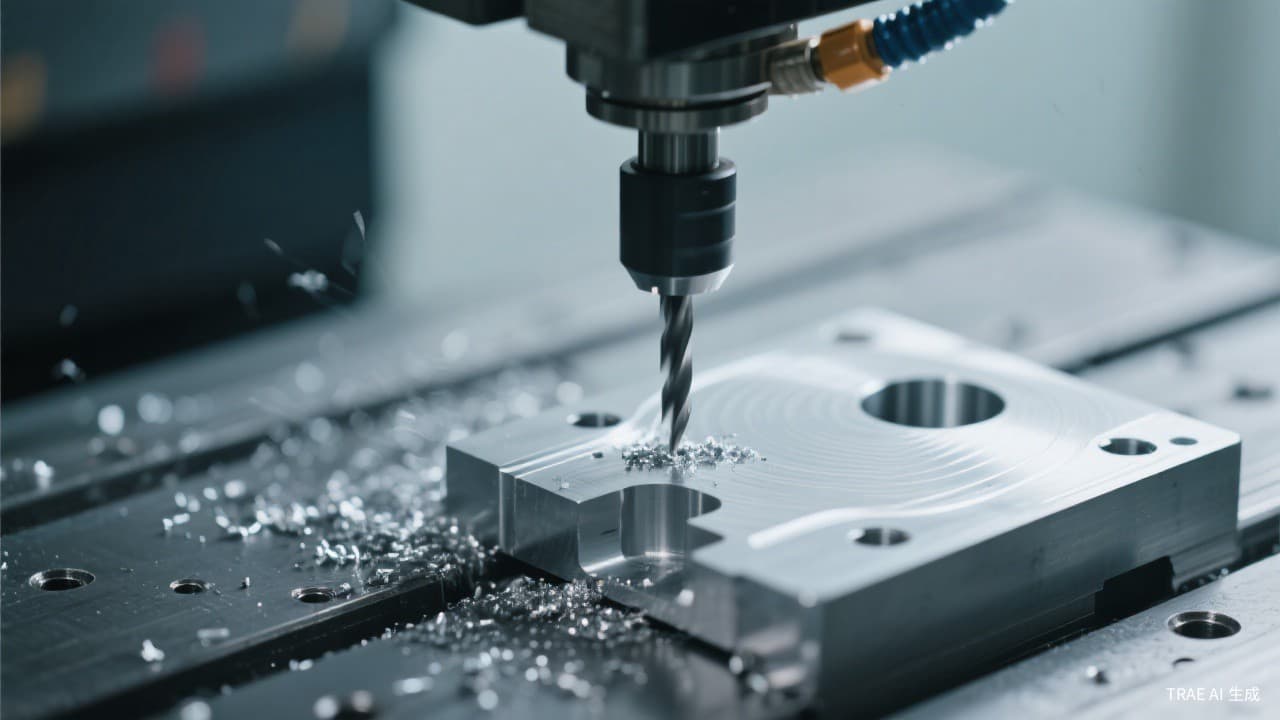
Do you face poor part quality, low throughput, and excessive manufacturing expenses? CNC milling eliminates those problems directly as it provides accurate machining for more sophisticated components.
What is CNC Milling? A Full Guide here
Do you face poor part quality, low throughput, and excessive manufacturing expenses? CNC milling eliminates those problems directly as it provides accurate machining for more sophisticated components that are highly efficient and cheap.
What is CNC Milling?
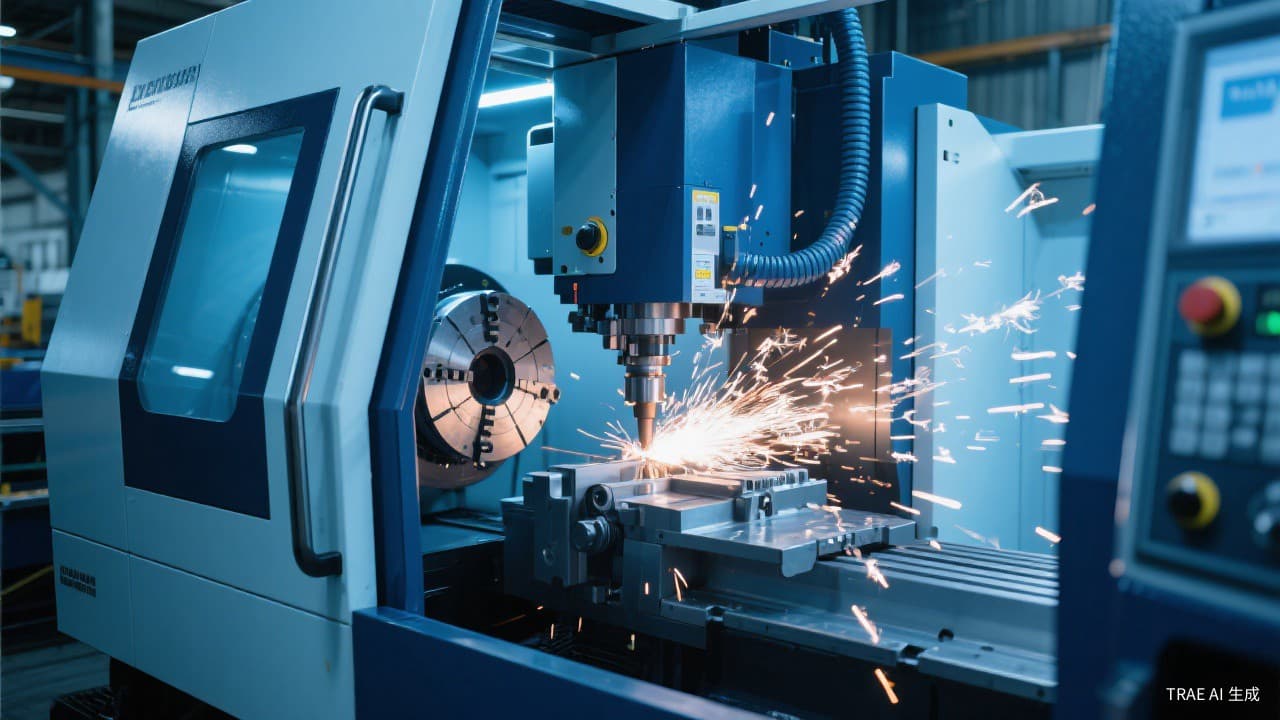
CNC Milling is the process of cutting a workpiece by removing excessive parts of it using a rotating, computer-controlled cutting device. The PC enables the creation of sophisticated designs on the workpiece.
This method is predominantly utilized by manufacturing industries that require the utmost precision for complex components. All tasks are carried out with the help of a CNC milling machine that works from prepared commands, which guarantees precise and uniform results.
Different Types of CNC Milling Operations
i) Face Milling: This process produces a level surface by removing a thin material layer from the workpiece.
ii) Plain Milling: Also referred to as slab milling, this means cutting layers adjacent to each other on a flat surface.
iii) Angular Milling: This method is applied when the tool head is set in a tilted position, producing chamfered or slanted surfaces.
iv) Form Milling: Special cutters with particular shapes are used for contouring processes.
v) Slot Milling: This operation works to create the specified width and depth by cutting a groove on the workpiece.
Tips for Selecting Materials for CNC Milling
- Material Hardness: Stainless steel and titanium require tougher cutting tools and slower speeds.
- Thermal Conductivity: Metals such as aluminium dissipate heat well for high-speed milling.
- Surface Finish Requirements: Aluminum and brass can provide a smooth finish.
- Application and Strength Requirement: Parts for aerospace and automobile industries use tough metals.
- Cost and Availability: Balance between spending and quality for effective production.
How does CNC Milling work?
Step 1: Designing the Part
Creating a digital part using CAD (Computer Aided Design) software like AutoCAD or SolidWorks.
Step 2: Converting the Design into CNC Code
The CAD design is loaded into CAM software, which converts the 3D model into G-code.
Step 3: Preparing the CNC Machine
The operator fastens the workpiece on the milling table and selects the appropriate tool.
Step 4: Conducting the Milling Process
The programmed instructions are executed with high-level accuracy:
- 3-axis milling: For flat and less complex sections
- 4-axis milling: Adds rotation for cuts at desired angles
- 5-axis milling: Most flexible, allows movement in five directions
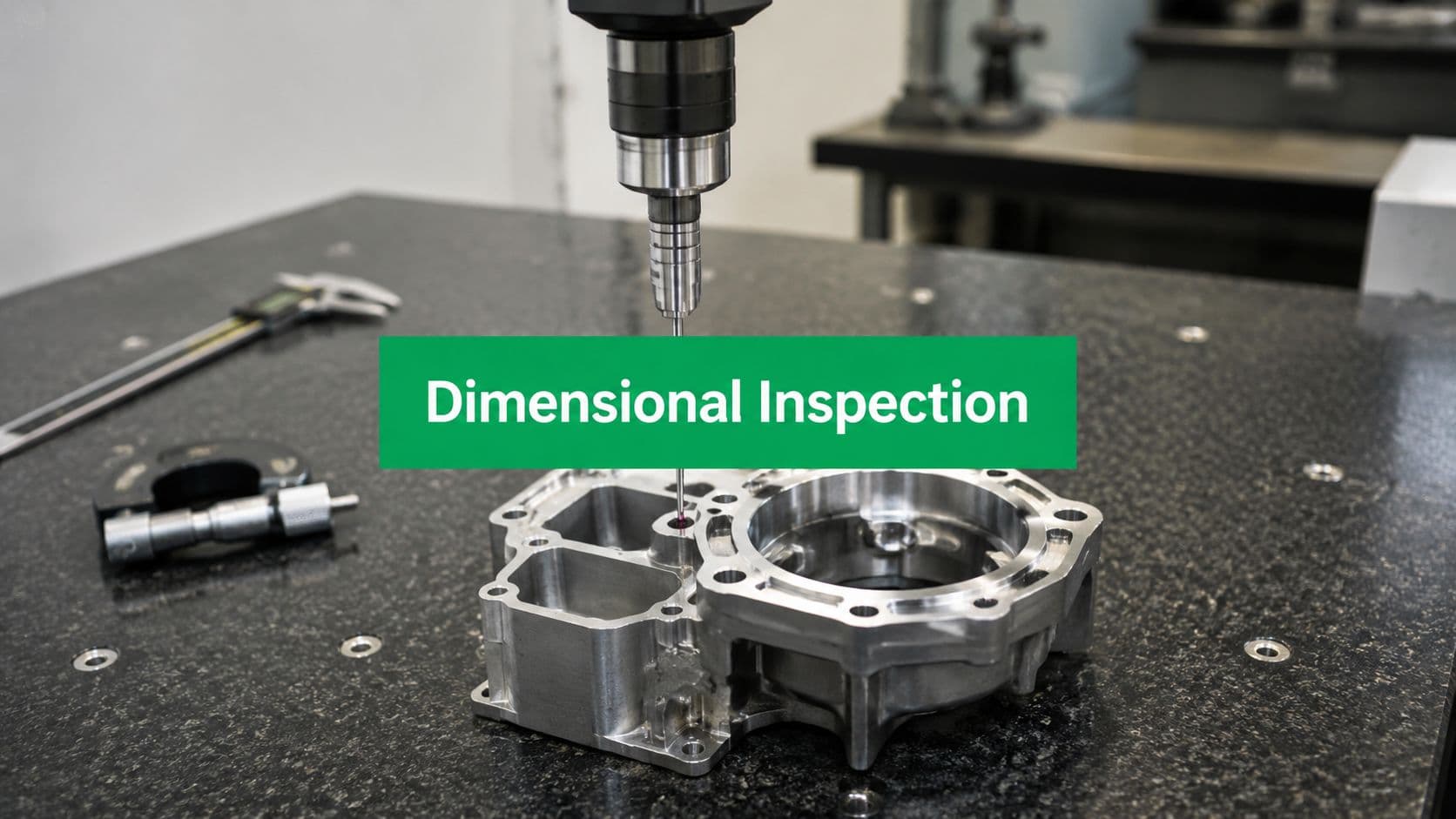
Step 5: Inspection and Quality Control
Post-milling inspection using callipers, micrometres, and coordinate measuring machines (CMM).
Advantages of the CNC Milling Process
- High Precision and Accuracy: Achieves tolerances close to ±0.001 inches (0.025mm)
- Increased Productivity: Can work all day and all night, increasing productivity
- Wide Range of Materials: Works with metals, plastics, and composites
- Advanced Multi-Axis CNC Machines: Capable of detailed and intricate milling
- Cost-Effectiveness and Waste Reduction: Minimizes expenditures incurred during rework
- Safety and Automation Benefits: Reduces workplace injuries
- Scalability for Large-Scale Production: Easy to adjust for prototype or bulk production
Disadvantages of the CNC Milling Process
- Expensive Setup Costs: Quality CNC milling machines can cost $50,000 to $500,000
- Need for Skilled Labor: Requires knowledgeable programmers and operators
- Range Restrictions: Limited by the tool's ability for thin walls and intricate internal geometry
- Waste of Materials and Energy: Subtractive manufacturing creates material waste
- Costly Servicing and Care: Regular maintenance required for accuracy
- Less Flexibility for Quick Design Changes: Modifications can become tedious
Who is the Best CNC Milling Partner for You?
LC Proto specializes in CNC milling services with advanced technology and precision.
Advanced Technology & Precision:
- Equipped with 5-axis CNC machines
- Expertise in machining aerospace components and intricate molds
- Handles metals (titanium, aluminum, stainless steel) and plastics
Collaborative Approach:
- Design refinement and consultation
- Proactive problem-solving
- Efficient production processes
Fast and Reliable Turnaround:
- Rapid prototyping services
- In-house quality checks
- Optimized production schedules