The Complete Guide to CNC Machining Tolerances

The Complete Guide to CNC Machining Tolerances
When it comes to precision manufacturing, understanding CNC machining tolerances is essential for ensuring your parts meet the required specifications. This comprehensive guide will walk you through everything you need to know about tolerances in CNC machining.
What Are Machining Tolerances?
Machining tolerances define the acceptable deviation from a specified dimension. They represent the permissible limits of variation in a physical dimension or measured value.
Standard Tolerance Classes
- Fine tolerance: ±0.005mm (±0.0002")
- Standard tolerance: ±0.025mm (±0.001")
- General tolerance: ±0.125mm (±0.005")
Types of Tolerances
Dimensional Tolerances
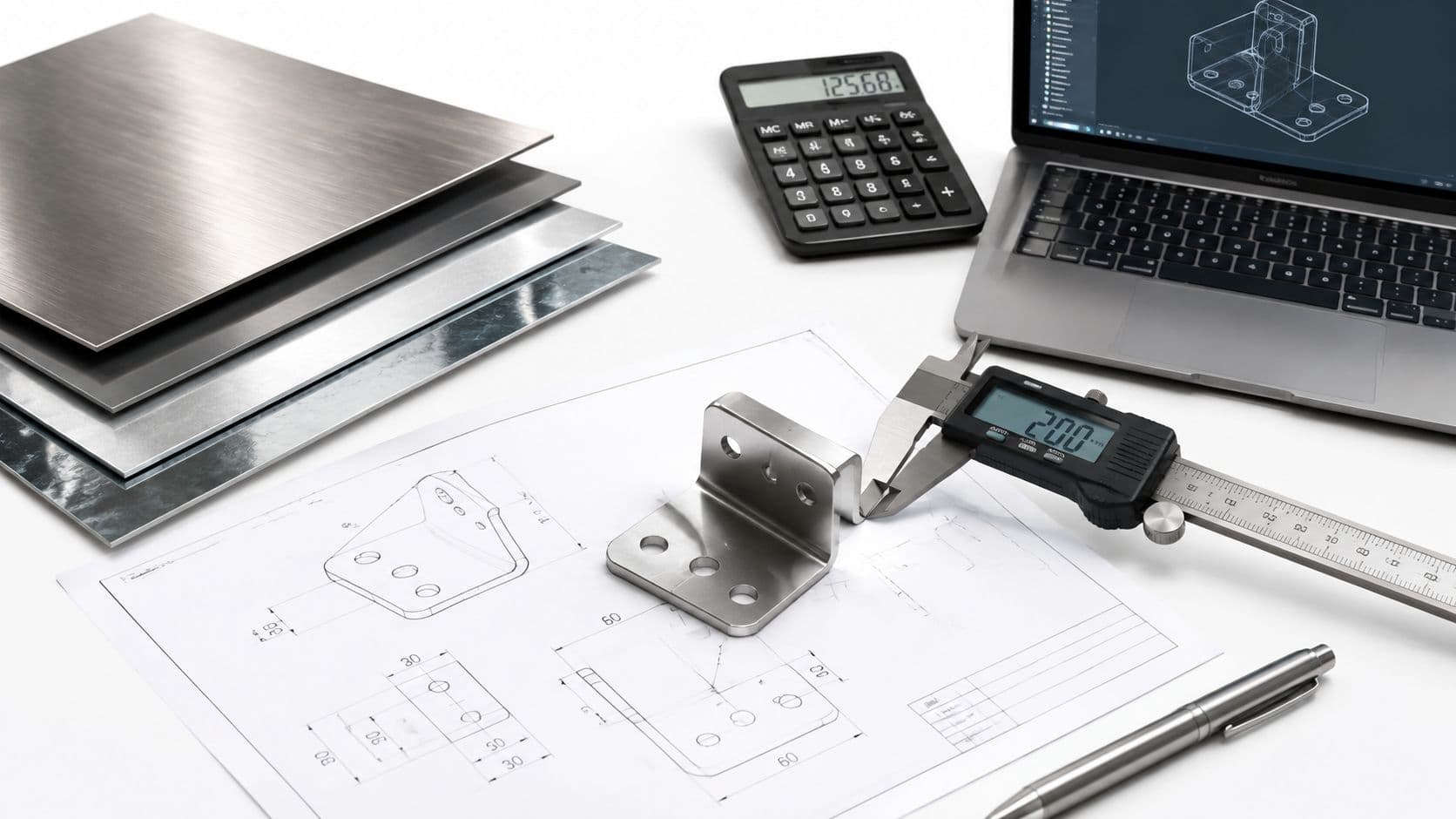
Dimensional tolerances specify the allowable variation in linear dimensions such as length, width, height, diameter, and depth.
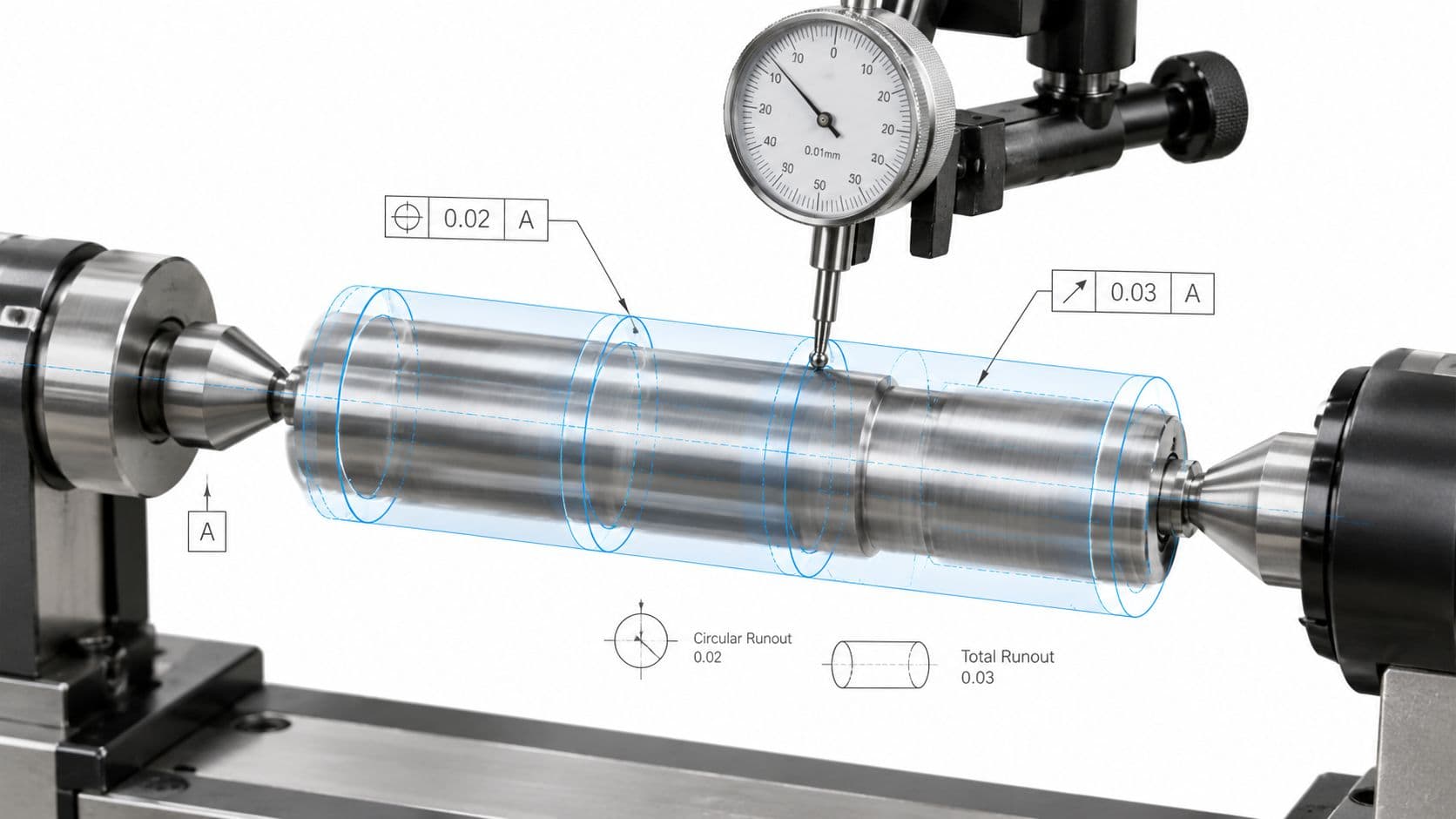
Geometric Tolerances (GD&T)
Geometric Dimensioning and Tolerancing (GD&T) is a system for defining and communicating engineering tolerances. It uses a symbolic language on engineering drawings and computer-generated 3D models.
Best Practices for Specifying Tolerances
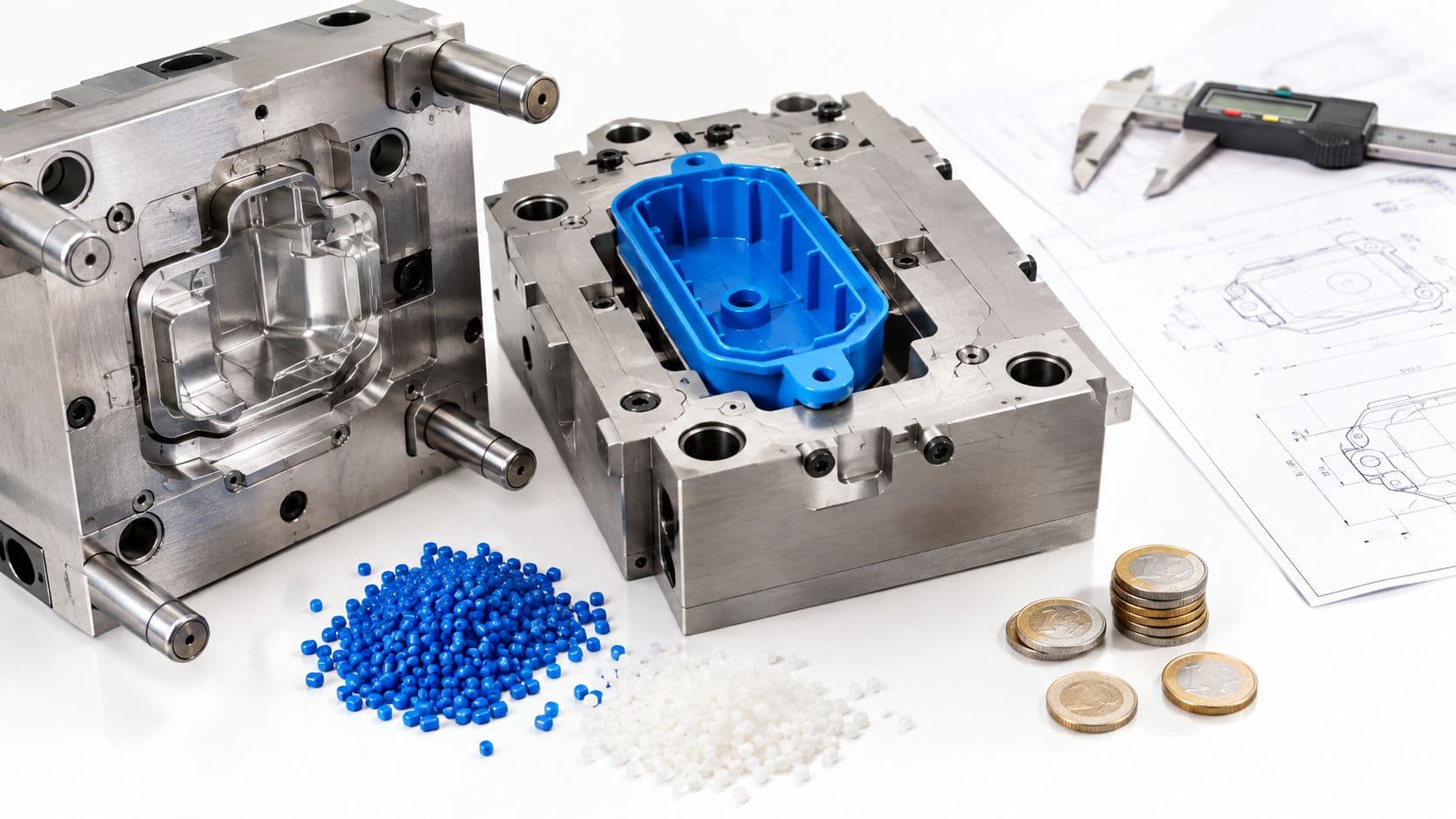
- Only specify tight tolerances where necessary - Tighter tolerances increase cost
- Consider the manufacturing process - Different processes have different capabilities
- Account for material properties - Some materials are easier to machine precisely
- Think about assembly requirements - How will this part fit with others?
Conclusion
Understanding and properly specifying tolerances is crucial for successful CNC machining projects. Work closely with your manufacturing partner to ensure your tolerances are achievable and cost-effective.
Need help with your CNC machining project? Contact our engineering team for a free consultation.