304 vs 316 Stainless Steel: Which Grade to Choose
Most buyers treat 316 as the stronger, safer upgrade and 304 as the cheap compromise. That framing gets the decision backwards. The mechanical gap between these two austenitic grades is small, and a corrosion failure usually costs more than the material premium ever saved. What separates them is molybdenum, and whether chlorides will reach the part.
If salt spray, brine, de-icing residue, or bleach-based cleaners are credible, 316 earns its keep. If the part lives in a dry enclosure, 304 usually does the same job for less money. I would not pay the premium for peace of mind on a drawing that never sees chloride.
Read the environment, the weld plan, and the budget before the purchase order goes out.
Table of Contents
- 304 vs 316 at a Glance
- Corrosion Resistance and Grade Choice by Environment
What the screening index does and does not tell you
Match the grade to the exposure
Mechanical Strength Is Closer Than You Think- Condition beats the grade name
Machinability and Fabrication Differences- Shop steps that keep the edge alive
What Drives the 316 Price Premium- When the premium pays back
Choose the Grade Before Your Next Order
304 vs 316 at a Glance
| Property | 304 | 316 |
|---|---|---|
| Chromium (typical) | About 18-20% | About 16-18% |
| Nickel (typical) | 8-10.5% | 10-14% |
| Molybdenum | None intentional | 2-3% |
| PREN screening index | About 19 | About 24 |
| Price relative to 304 | Baseline | About 20-30% higher |
| Best fit | Indoor, general fabrication, food areas without chlorides | Marine, de-icing salt, chloride chemical exposure |
304 is the general-purpose austenitic default. Shops stock it as sheet, bar, and standard fasteners because it forms, welds, and polishes without special handling. 316 is the molybdenum-bearing variant built for chloride exposure. The extra alloy is the whole point of the grade, not a vague quality upgrade.
Alibaba's 2026 industrial-fastener guide reports chromium of 18-20% for 304 versus 16-18% for 316, and nickel of 8-10.5% versus 10-14%. Those are typical windows, not a mill certificate. ASTM and EN limits, and the heat you receive, can sit elsewhere inside the spec. SteelPro Group's 2024 comparison puts 316, on average, about 20-30% more expensive than 304.
If chlorides are credible, specify 316. If they are not, 304 usually performs the same function for less money.
On your own drawing, check three rows before you argue about finish or lead time. Environment decides the grade. Welding decides whether you need the low-carbon L variant. Budget decides whether a dry, mild duty still justifies the premium. Strength is rarely the tie-breaker, and a generic "use 316 everywhere" note wastes money on parts that will never see salt.
Corrosion Resistance and Grade Choice by Environment
The passive film on stainless is a thin chromium-rich oxide. Chloride ions attack weak spots in that film and start pits. Once a pit starts under a deposit or inside a tight joint, the local chemistry becomes more aggressive and the pit can grow even while the exposed surface still looks bright.
Molybdenum changes that film. It strengthens and stabilizes it against chloride attack, which is why 316 resists pitting and crevice corrosion in places where 304 can fail. The ScienceDirect topic page on 304 stainless steel gives typical 304 composition as approximately 17.5-19.5% chromium and 8-10.5% nickel with no intentional molybdenum, while 316 adds approximately 2-3% molybdenum and generally uses higher nickel. That chemistry matters most around marine hardware, brine, de-icing salt, chloride-bearing chemicals, and geometries that trap liquid.
What the screening index does and does not tell you
A useful screen is PREN = Cr + 3.3Mo + 16N. The formula counts chromium and nitrogen, but gives molybdenum 3.3 times the weight. Use it to compare candidate heats or grades under similar finish and fabrication conditions, not to predict how many years a part will last.
Laxcon Steels' 2026 comparison gives PREN ranges of 18.0-21.6 for 304 and 22.6-29.5 for 316 across its stated composition windows. The spread is real. A lean heat of 316 and a rich heat of 304 are not the same metal, even when both carry the right grade stamp.
PREN also leaves out the conditions that usually trigger failure. Surface finish, weld heat tint, chloride concentration, temperature, deposits, and crevice design can dominate the result. A rough weld with heat tint in a wet crevice can pit long before a smooth, passivated surface in open air, even when both parts start with the same PREN.
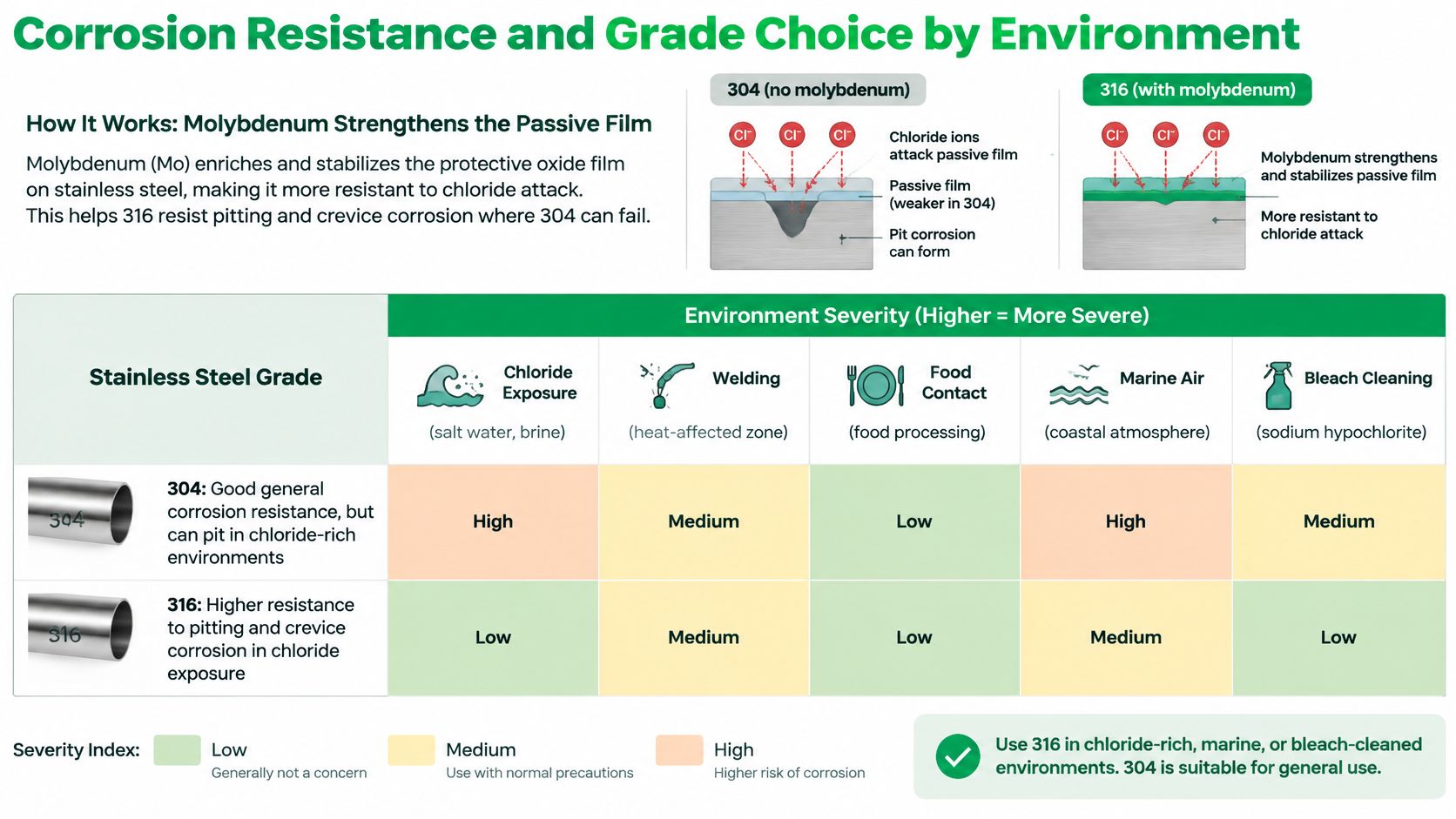
Match the grade to the exposure
| Environment | Recommended grade | Why | Watch-out |
|---|---|---|---|
| Marine, coastal or harbour | 316 or 316L | Chloride spray attacks the passive film | Crevices under fittings can still pit |
| De-icing salt and road spray | 316 | Brine concentrates in joints | Clean regularly to remove deposits |
| Chemical processing with chlorides | 316L | Molybdenum resists chloride pitting; L grade limits weld sensitization | Confirm temperature and concentration against a corrosion chart |
| Food and beverage with chlorinated cleaners | 316 | Bleach-based cleaning attacks 304 | Passivate after fabrication |
| Dry indoor enclosures and control boxes | 304 | Low corrosion risk and lower cost | Upgrade if humidity or washdown is added |
| Kitchen equipment and interior trim | 304 | General corrosion resistance is sufficient | Use 316 near salt or bleach |
| Outdoor urban exposure away from salt | 304 | Rain and pollution are mild | Crevices and deposits can still stain |
The same grade can succeed or fail in the same city.
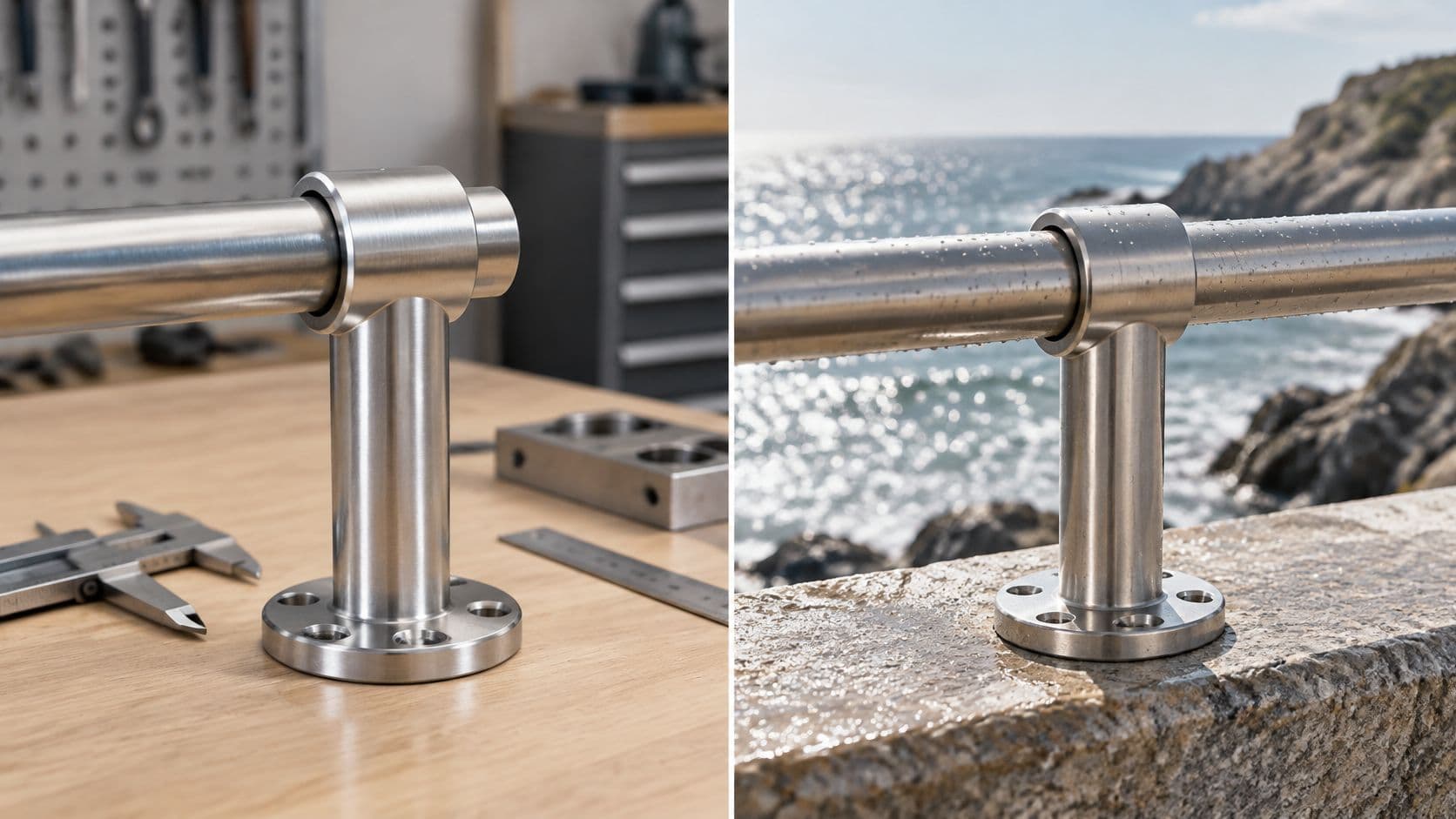
A 304 handrail can run along a coastal street when it sits under a roof, gets rain-washed, and is wiped on a maintenance route. Open surfaces stay bright for years because chloride never sits in a pocket. The same grade on an unsheltered bolt circle, with a nylon washer trapping salt, can show tea-staining and pits within a season.
A 316 fitting in a parking garage can still fail where de-icing brine collects in a threaded crevice and dries into a concentrated film. The alloy is the right call, but grade selection reduces risk rather than canceling a bad joint.
Washers, threaded joints, and lap joints justify 316 even when the surrounding room looks mild. A polished face can look fine while the hidden interface is already active. On installed hardware, the alloy premium is often smaller than the labor required to access, remove, refinish, and replace a pitted part. That is where 316 pays back. If corrosion damage would stay hidden until late, specify a stainless steel finish chosen for cleanability so deposits are easier to remove during inspection.
Practical rule: If a joint can trap chloride-bearing liquid, choose 316L when welding is planned and 316 when it is not. Save 304 for exposures that stay open, drained, and cleanable.
For CNC prototypes and low-volume production, that rule is enough to lock the callout. A 304 part in mildly salty outdoor use is acceptable only when cleaning is a scheduled procedure. Write that assumption on the drawing. If the cleaning step is a hope rather than a procedure, the assumption is false and the grade is wrong.
Mechanical Strength Is Closer Than You Think
People swap to 316 because they want a stronger bracket. The published numbers do not support that swap.
For 6 mm cold-rolled strip under EN 10088-2 data, the thyssenkrupp materials mechanical-properties listing puts 304 at approximately 230 MPa minimum yield strength, 260 MPa proof strength, and 540-750 MPa tensile strength. The same listing puts 316 at approximately 240 MPa yield, 270 MPa proof, and 530-680 MPa tensile.
| Property | 304 | 316 |
|---|---|---|
| Minimum yield strength | About 230 MPa | About 240 MPa |
| Proof strength | About 260 MPa | About 270 MPa |
| Tensile strength range | 540-750 MPa | 530-680 MPa |
Read the columns as a pair. 316 shows slightly higher specified yield and proof values. Its published tensile range is lower and narrower. Neither grade gives you a strength advantage large enough to replace a hardened martensitic stainless or a precipitation-strengthened alloy when load is the driver.
Condition beats the grade name
Annealed versus cold-rolled condition, and bar versus plate versus strip, moves the allowable more than the jump from 304 to 316. A cold-worked 304 bar can outrun an annealed 316 plate on yield. If the drawing says only "stainless," the shop can ship a legal heat that misses the number you used in the stress model.
Before you release a load-critical bracket, verify four items:
- Mill certificate: Match heat number, grade, and product form to the part.
- Temper or condition: Annealed, cold-rolled, or a named strain-hardened temper, written on the print.
- Governing specification: The ASTM or EN document that applies, not a catalog typical.
- Design allowables: The value in that specification, with the safety factor your standard requires.
I would not substitute grades on strength alone. For a precision-machined component, pick the grade from the environment and the fabrication route, then confirm the certificate. On a load-critical bracket, the allowable in the governing specification controls. A typical value from a brochure does not.
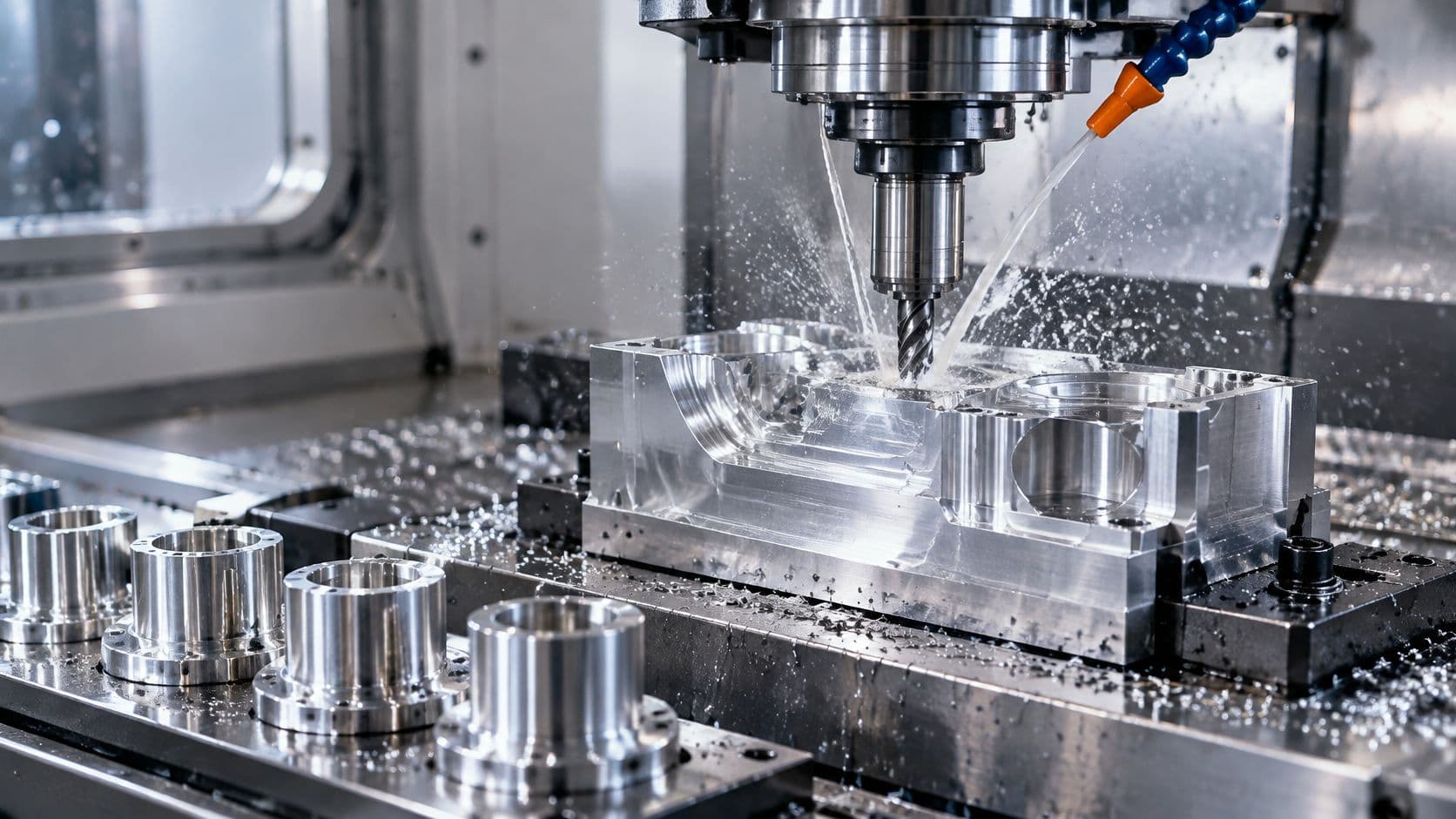
Both grades also machine like other austenitic stainless steels. They work harden, they throw heat into the tool, and they need a real chip. Feeds, speeds, and minimum depth of cut should be set for that behavior, not for a carbon-steel playbook. That shop reality is separate from which grade is "stronger."
Machinability and Fabrication Differences
Both grades are austenitic. They work harden in a few revolutions if the edge rubs, they generate heat at the cutting zone, and they make stringy chips that wrap a drill if you let them. The fix is the same on either grade: keep the tool cutting below the hardened skin.
316 is generally a little harder to machine than 304 because of the higher nickel and the molybdenum. On the same geometry you should expect a longer cycle, faster flank wear, and a less forgiving window on depth of cut. For a one-off bracket the difference is minutes. For a 200-piece run of a deep pocket it shows up in tooling cost and spindle time.
We machine stainless grades 303, 304, and 316, and the choice among those three is a fabrication decision as much as a corrosion decision. Stainless CNC machining only pays off when the print names the grade that matches both the cut and the service.
Shop steps that keep the edge alive
- Use sharp carbide with positive rake. A keen edge shears the austenite instead of plowing it. Once the land is dull, the surface hardens and the next pass cuts work-hardened metal.
- Hold a consistent minimum depth of cut. Rubbing below that depth burnishes a hard layer. If the finish pass is too light, you are polishing a problem into the part.
- Apply flood coolant or high-pressure through-tool coolant. Heat is what softens the edge and welds chips to the flute. Coolant has to reach the cut, not just wet the outside of the vise.
- Do not dwell. A pause at the bottom of a bore or the end of a facing cut lets the edge rub in one spot. Program a continuous exit.
- Choose 303 when the part is mostly machined and corrosion duty is light. It cuts more freely than either 304 or 316. Do not put it in seawater or heavy chloride service just because the cycle time looks better.
Welded parts and formed sheet should carry 316L when the environment already calls for molybdenum. The low carbon limits sensitization along the heat-affected zone. After machining or welding, passivate so free iron from tools does not become the first rust spot. A citric or nitric passivation bath restores the film that cutting just disturbed.
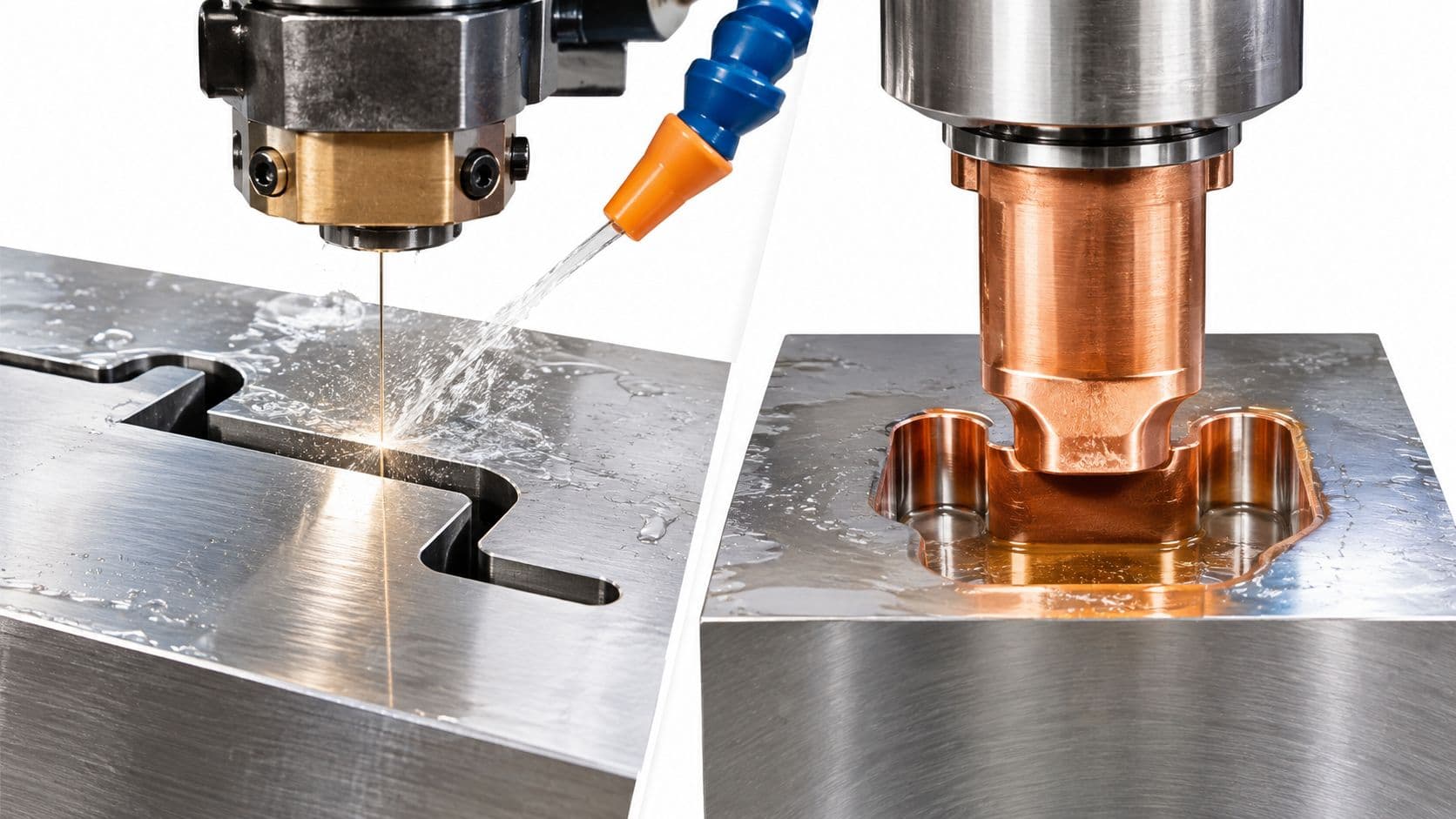
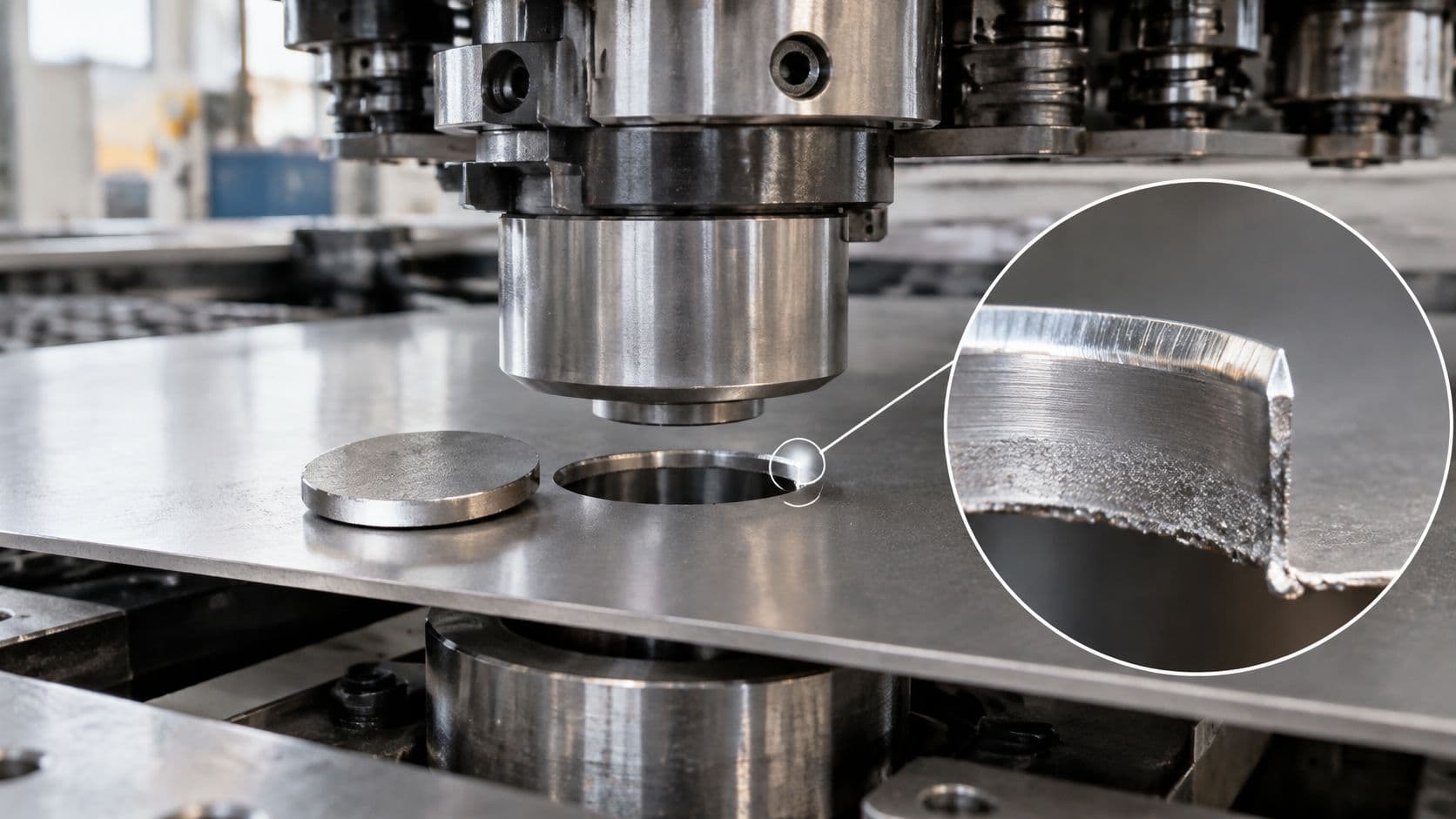
On prototypes and short runs, setup and first-article time dominate the invoice. A grade that is slightly slower in the cut is still the right grade if it avoids a second spin of the fixture after the part pits in test. If the geometry is mostly sheet, bends, and welds rather than milled pockets, stainless steel fabrication with the L grade specified up front saves a material swap later.
What Drives the 316 Price Premium
Alibaba's 2026 material-selection guide states that 316 typically carries a 20-30% price premium over 304, depending on market conditions, product form, and order volume. That band is the material gap. It is not the gap on a finished machined part.
| Cost driver | Effect on the premium | What to do |
|---|---|---|
| Nickel and molybdenum prices | Premium widens when alloy prices rise | Ask for quotes naming the grade on both options |
| Product form | Plate and bar differ from sheet and fasteners | Compare the same form in both grades |
| Order volume | Small runs pay more per kilogram | Batch prototype and production quantities |
| Machining time | 316 can add cycle time | Include machining in the total, not only material |
| Corrosion rework | Failure cost can exceed the material premium | Weigh against the exposure risk |
Alloy surcharges move with nickel and molybdenum. A quote from a quiet month and a quote from a spike month will not match, even on the same print. Product form matters just as much. Bar for a turned fitting and sheet for a bracket do not carry the same adder, and a standard 316 fastener from stock is a different buy than a cut plate.
Small orders pay more per kilogram because the distributor breaks a bundle. If you already know the production quantity, price the prototype lot and the production lot together so the per-piece number is honest.
When the premium pays back
On a machined part, raw metal is often a modest share of the invoice. Tooling, cycle time, finishing, and inspection can outweigh a 20-30% metal gap. That cuts both ways. Skipping 316 to save on bar, then adding a recut because the first articles pit in a salt spray check, is the expensive path. Buying 316 for a dry indoor control box is spent money with nothing to show for it.
I treat 316 as inexpensive insurance only when chloride is credible. Elsewhere it is a habit. Request quotes for both grades on the same drawing, same quantity, same finish. The delta on that pair of quotes is the number worth arguing about, not a catalog percentage from last quarter.
Choose the Grade Before Your Next Order
Lock the callout before you send the file. Changing grade after the first article means a new certificate, a new toolpath check, and often a new finish sample.
- Is chloride exposure credible (sea air, de-icing salt, brine, bleach cleaning)? If yes, specify 316 or 316L.
- Will the part be welded? If yes, specify the L grade.
- Is the part under high load? Check the condition and the design allowables in the governing specification, not the grade name.
- Is the budget driven by material or by machining? Price both grades on the same drawing.
- Does the part need a documented material certificate for a regulated market? If yes, require mill certificates.
A part that meets question 1 or question 2 goes to 316 or 316L. A dry or mildly exposed part with no weld goes to 304 where cost matters. I would not split the difference with an unnamed "stainless" callout. That note lets the buyer pick whichever heat is on the shelf.
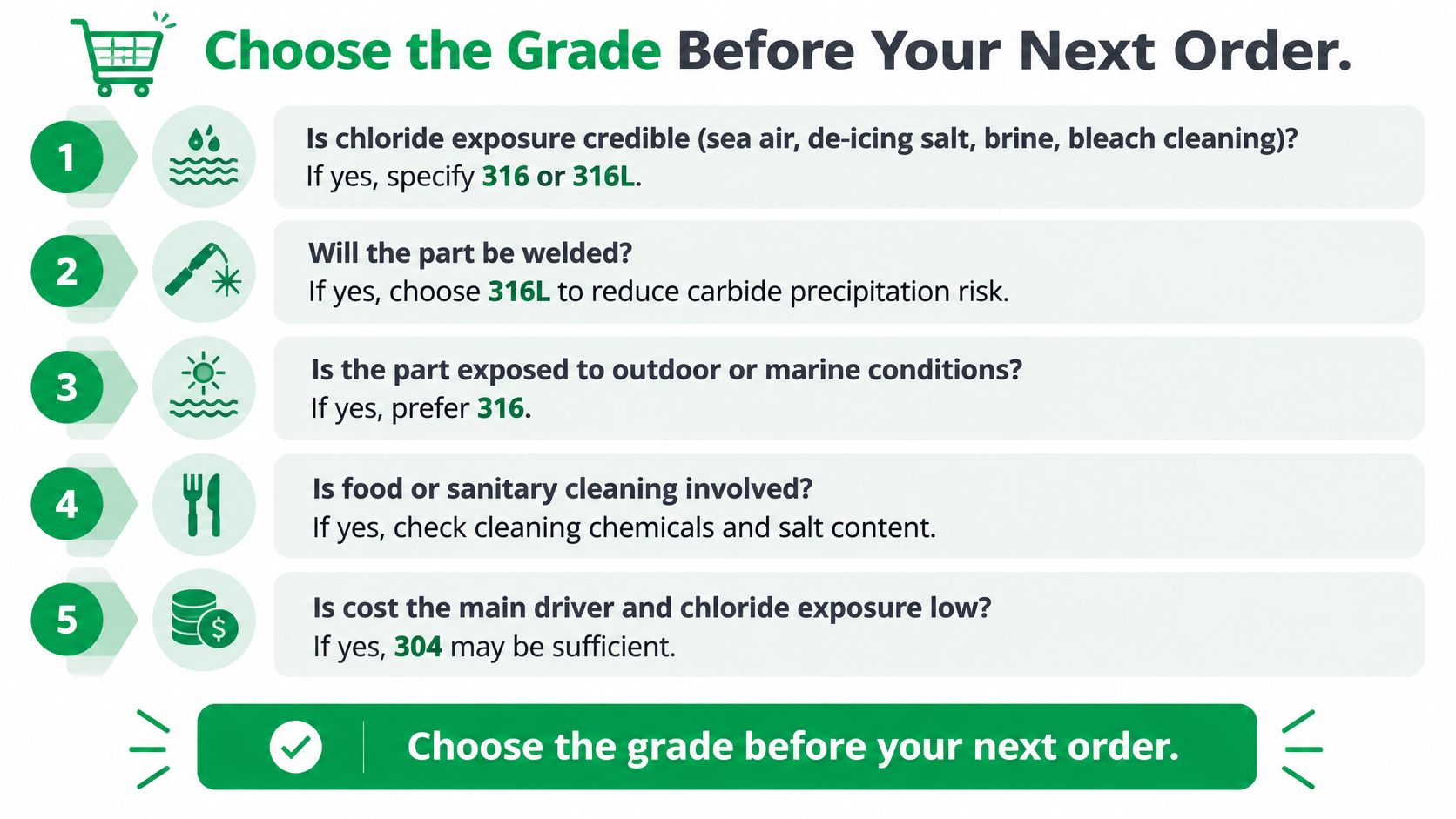
Write the environment and the weld intent in the notes, not only the grade in the title block. A machining partner can then hold 304 where it is enough and 316L where a seam will see washdown. We run stainless steel CNC machining on both families, and we also offer sheet metal fabrication in aluminum, brass, and stainless steel with no minimums, so a mixed enclosure does not need a second supplier just to get one 316L bracket.
Confirm the grade on the quote, then order a small prototype run if the exposure is borderline. Test the cleaner, the salt, and the joint. Commit to production only after that part still looks the way the drawing promised.
FIRMFG machines 304 and 316 stainless for CNC prototypes and short runs, and we fabricate stainless sheet parts when the design is an enclosure or a bracket rather than a milled billet. Send the drawing with the environment and welding notes so the quote names the grade that matches the service, not a default. Visit FIRMFG to start that quote.