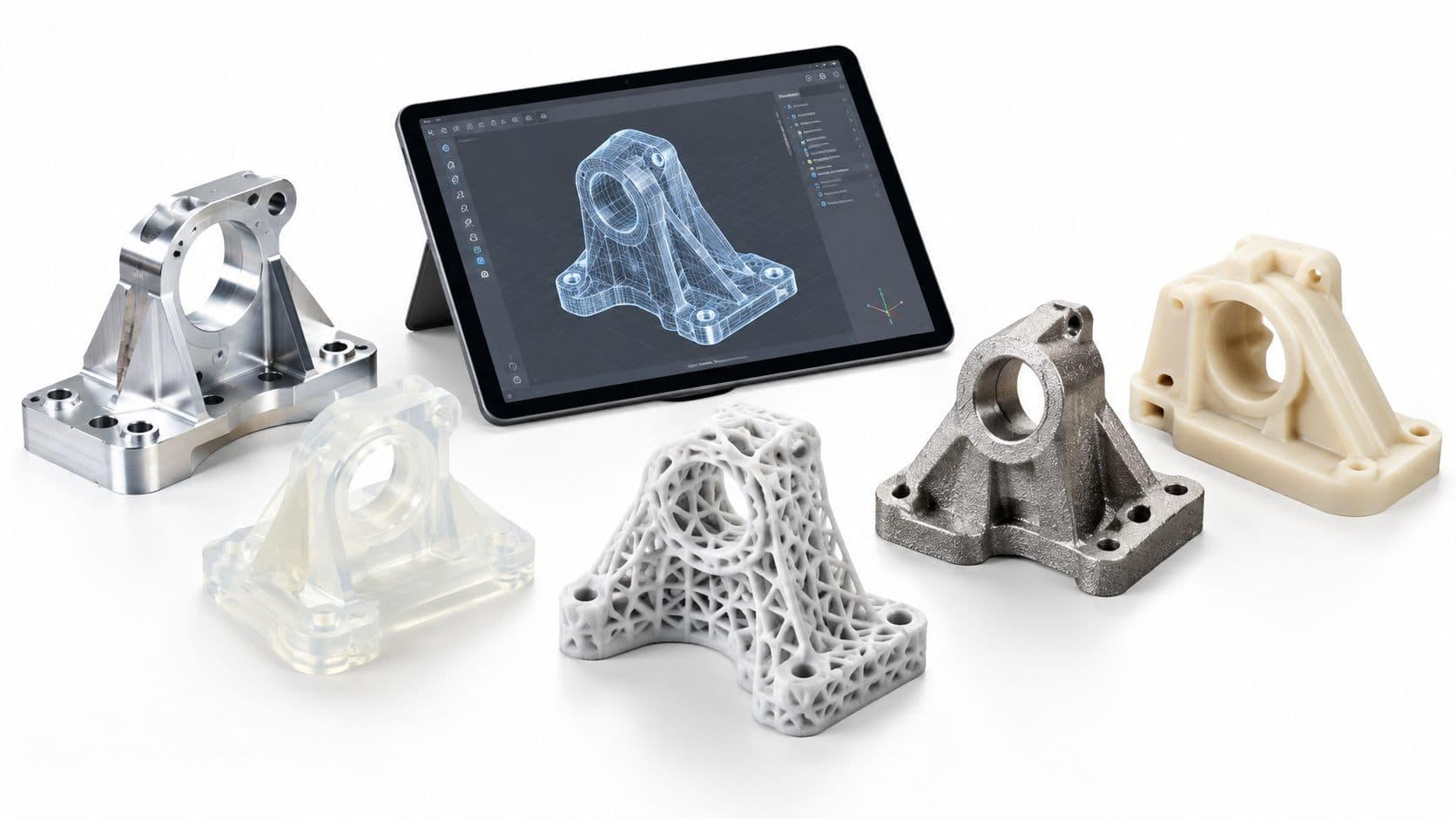
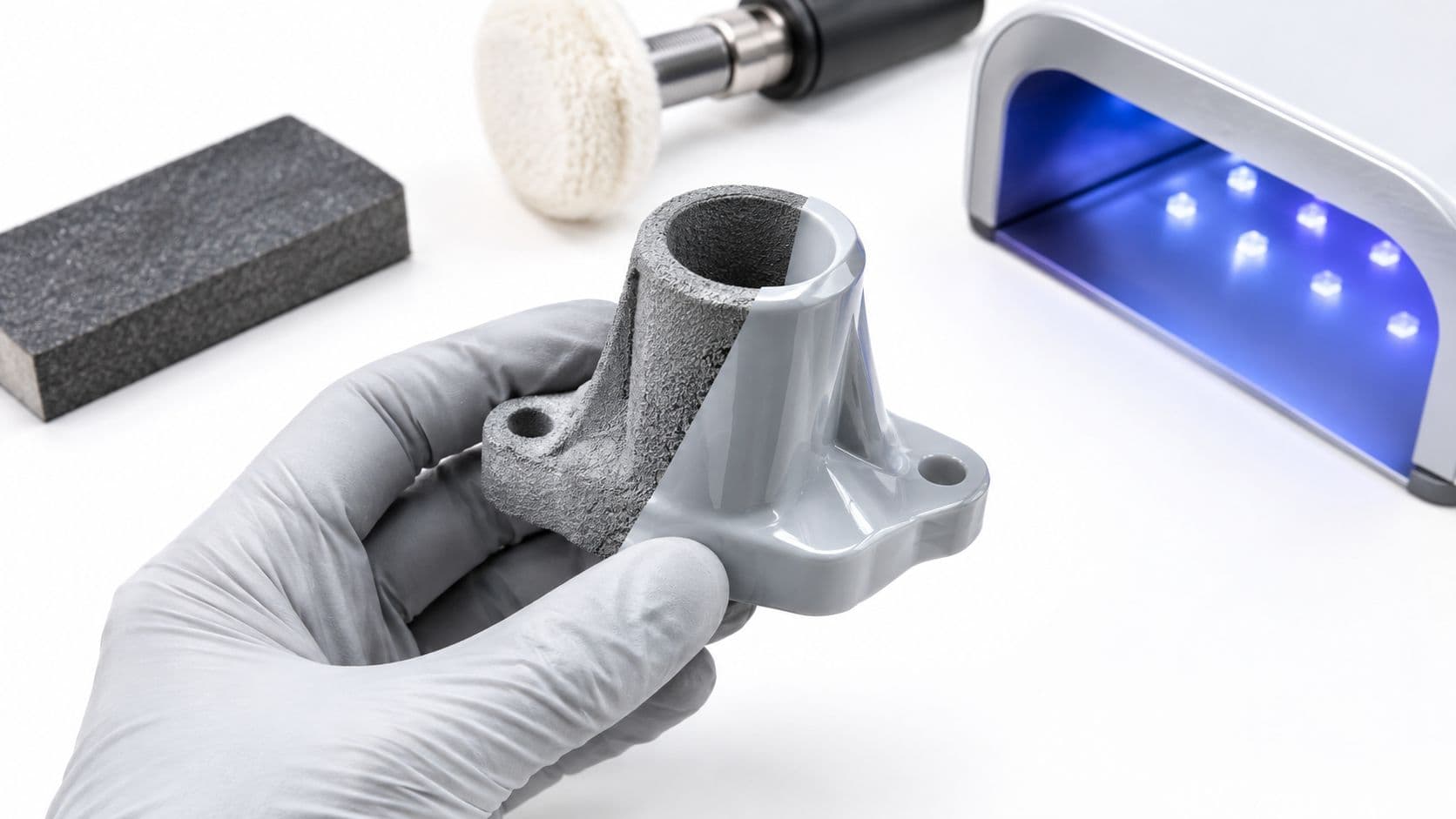
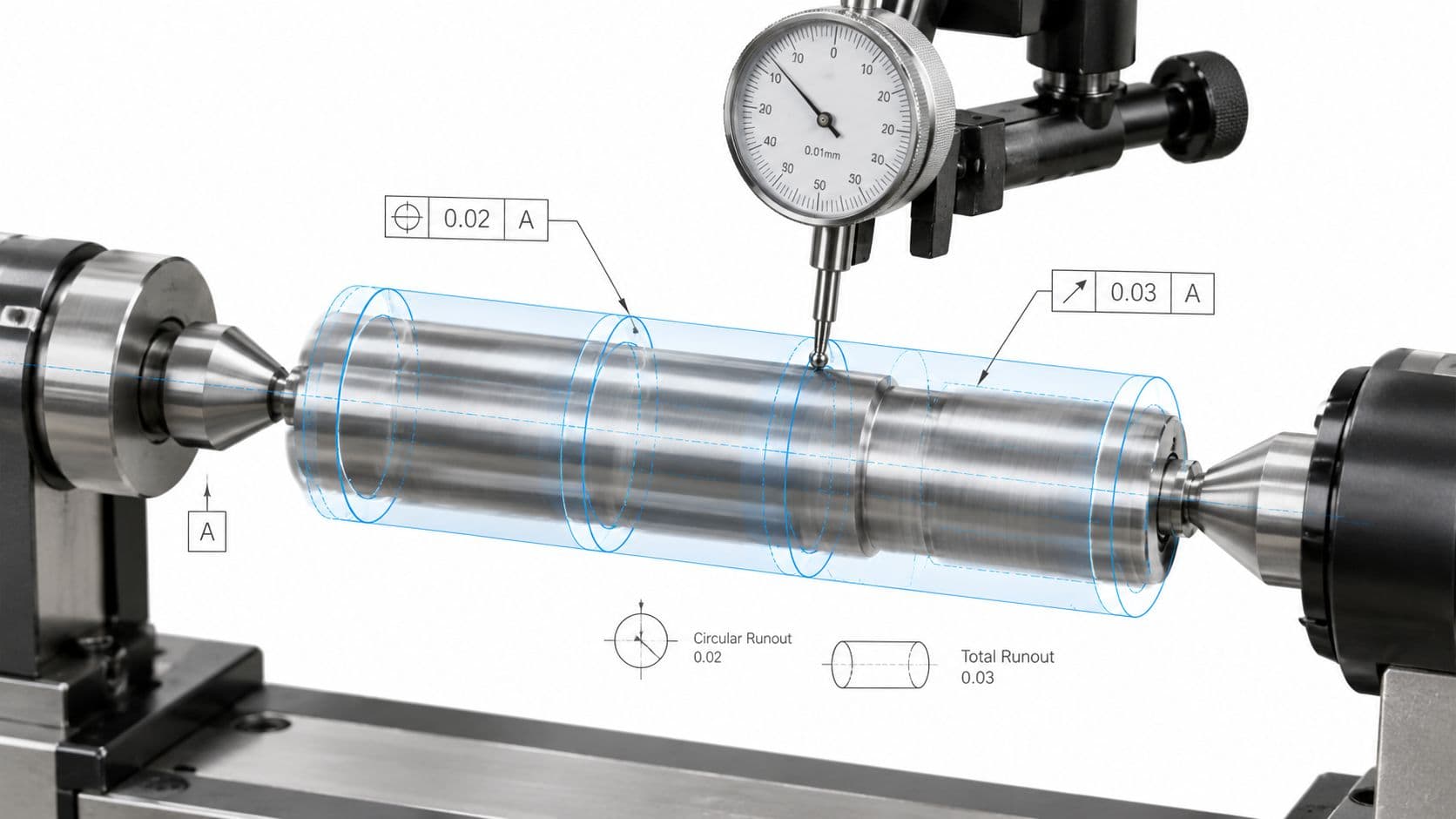
Meaning of CNC Machinist: Skills, Tools, and Role Explained
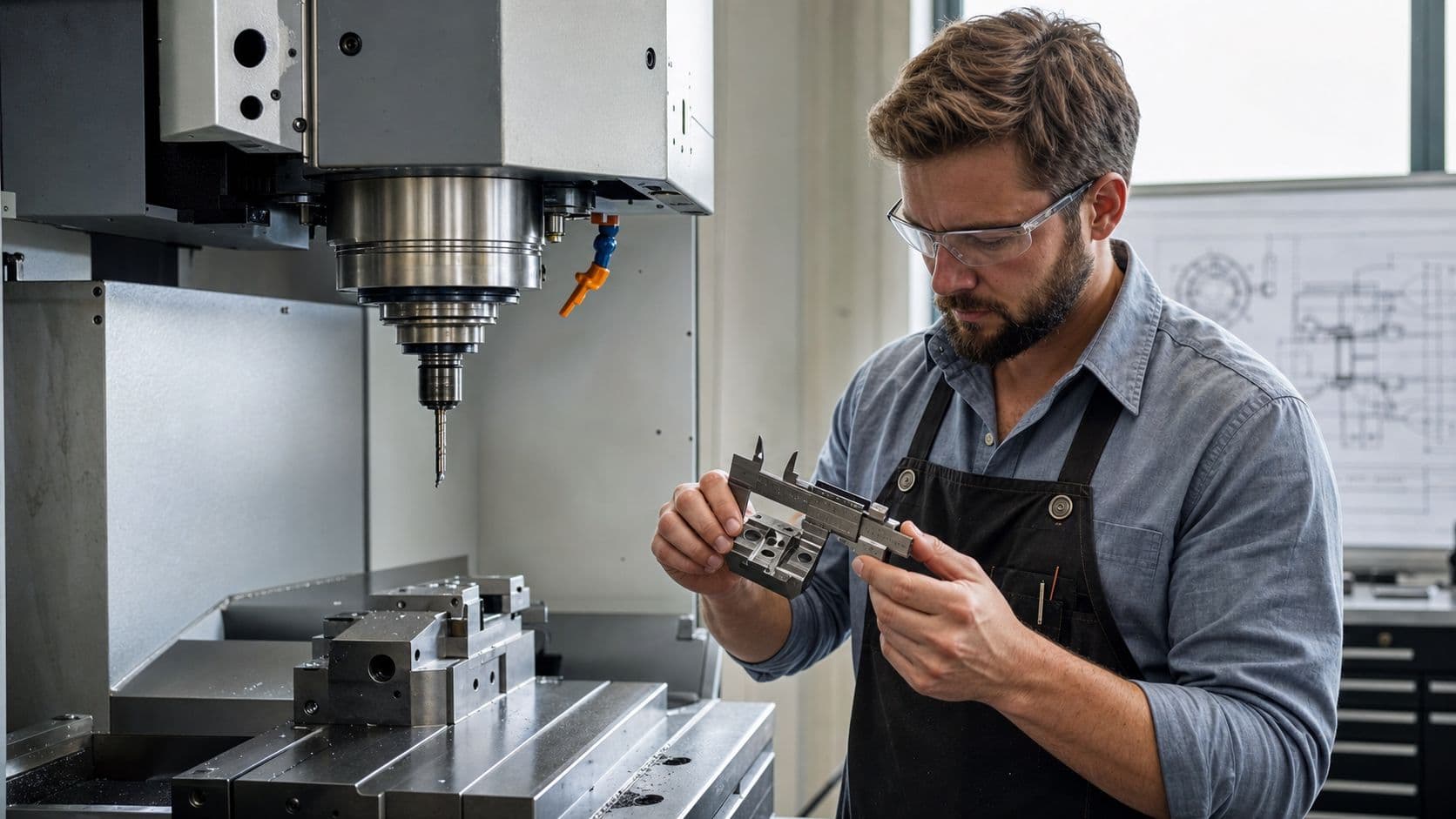
You're staring at a drawing, the quote is late, and someone on the team has just asked why the prototype looks “close, but not right.” That's usually the moment the meaning of CNC machinist stops being abstract and starts affecting schedule, cost, and whether the part can even be made the way you drew it.
A CNC machinist isn't a button-pusher. The role sits at the point where engineering intent becomes a physical part, and the quality of that handoff often decides whether a job sails through or turns into a rework loop. In practical terms, the machinist is the person who helps translate your CAD model, drawing notes, and tolerance stack into machine-ready decisions on tooling, fixturing, cutting strategy, and inspection.
Table of Contents
- Why the Meaning of CNC Machinist Matters to Your Project
- Defining the CNC Machinist Role
What the title signals in real shops
Equipment and Software a CNC Machinist Uses- Turning, hard materials, and tight features
Core Responsibilities From Drawing to Inspection- Inspection closes the loop
CNC Machinist vs Operator vs Engineer- Why the boundaries blur in small shops
Where CNC Machinists Add Value in Prototyping and Short Runs- When fixturing beats a bigger machine
Practical Tips for Engineers Working With CNC Machinists- What to ask before you commit
The Future of the CNC Machinist Role and Key Takeaways
Why the Meaning of CNC Machinist Matters to Your Project
The first time most design leads meet a machinist in earnest, something is already at risk. Maybe the part needs a second setup you didn't budget for, maybe a thin wall is flexing, or maybe the tolerance you put on the drawing leaves too little room for the cutter, the fixture, and the inspection method. In that moment, the title on the shop floor matters because it tells you whether the person in front of you can only run a machine, or can also help plan the process.
A clear mental model of the CNC machinist role gives you a better handoff. It helps you know who should review access issues, who can spot a hold-down problem, and who can tell you whether a feature is straightforward on 3-axis equipment or far easier on 4-axis or 5-axis capability.
Practical rule: if the part is still changing, you want someone who can think in setups, toolpaths, and inspection, not just cycles.
That distinction also matters when you source suppliers. The same job title can mean different depth depending on shop size, specialization, and equipment mix. A tiny shop may expect one person to program, set up, run, and inspect. A larger shop may split those tasks across multiple roles, which is why a conversation about the meaning of CNC machinist is really a conversation about responsibility and decision authority.
If you're a procurement manager, the definition helps you compare quotes more intelligently. If you're a design engineer, it helps you ask better questions before a revision becomes expensive. Either way, the benefit is the same. You stop treating the machinist as a downstream executor and start using the role as a technical resource that can shape manufacturability before the first chip is cut.
Defining the CNC Machinist Role
A new part arrives on the shop floor as a model, a print, and a tolerance stack that all have to agree. The CNC machinist turns those inputs into a process plan, then into metal. CNC stands for Computer Numerical Control, which means the machine follows coded instructions instead of hand-guided movement. In practice, the machinist decides how the part will be held, which tools will reach each feature, how fast the cutter should move, and how the finished part will be checked. The meaning of CNC machinist goes beyond running a machine, it is the role of a process planner who turns a design into a part that meets specification.
That broader scope shows up in apprenticeship training. The Manitoba breakdown puts programming at the center of the occupation, with 40% of the training time going to programming CNC machines, 20% to CNC lathe work, and 27% to CNC mill work. The point is clear, programming is part of the craft, and it sits alongside setup and production judgment. A machinist is making decisions about how a part gets made, not merely loading stock and pressing cycle start.
The U.S. Bureau of Labor Statistics separates machinists from workers who primarily program or operate CNC equipment, placing those workers in a separate category called Computer Numerically Controlled Tool Operators and Programmers. That split matters because it reflects what engineers often see in real shops, the machinist role usually carries a wider share of responsibility than basic operation. In one shop the machinist may also write the program. In another, the code arrives from CAM engineering and the machinist edits it at the control, confirms the setup, and inspects the result.

What the title signals in real shops
The title tells you something useful before the first setup begins. A machinist usually reads the print, chooses tooling, decides how the stock will be held, and checks the finished part against the drawing. That is a different kind of responsibility from merely standing at a machine and waiting for the next cycle to finish.
The shop floor version of the job is closer to process ownership. The machinist has to connect cause and effect across the whole job, from fixture choice to tool wear to dimensional verification. A small change in workholding can affect access. A small change in toolpath strategy can affect cycle time or surface finish. Those choices are part of the role because they shape whether the part comes out right.
A good machinist thinks about how the part will be made before the machine ever starts moving.
The same title can still mean different things from one shop to another. One shop may expect the machinist to program, set up, run, and inspect. Another may divide those tasks across several people, with one person responsible for programming and another for setup and final checks. When you hear CNC machinist, think precision production specialist with process responsibility, the person who helps make the manufacturing plan work on the floor.
Equipment and Software a CNC Machinist Uses
The equipment mix tells you a lot about what a machinist does all day. A 3-axis mill is the baseline for many prismatic parts, where the cutter moves along X, Y, and Z to machine flats, pockets, and holes. A 4-axis mill adds indexed rotary capability, which helps when a part needs features repeated around a body or re-oriented without a full reset. A 5-axis mill expands the machinist's options again, because the tool or part can be reoriented for complex curves, compound angles, and multi-face geometries.
That doesn't make 5-axis a magic label. It changes the judgment the machinist has to exercise. On a simpler setup, the main questions are tool access, fixture stability, and cycle time. On a more advanced setup, the machinist also has to think about collision risk, tool orientation, and whether a feature is worth machining in one setup or multiple.
Turning, hard materials, and tight features
CNC machinists also work with lathes for turned cylindrical parts, and in some shops they support EDM or grinding when the material or tolerance demand calls for a different process. Those machines matter because not every geometry behaves the same way. A shaft, a bushing, a mold component, and a hardened insert don't ask for the same setup logic.
Software is just as important as the hardware. A machinist may use CAM software to convert a CAD model into toolpaths, then review or edit G-code in a controller or editor before the job runs. Post-processors matter here too, because a toolpath that looks right on screen still has to match the actual machine control and tool library on the floor.
For a design lead, the best mental model is this. The machinist isn't merely operating a machine, they're coordinating a small manufacturing system. The software tells the machine what to do, but the machinist decides whether that sequence is safe, efficient, and accurate enough for the part in front of them.
The axis count changes the work, but it doesn't remove the need for judgment.
Core Responsibilities From Drawing to Inspection
The workflow starts before the first setup. A machinist reads the drawing, checks critical dimensions, reviews the material callout, and looks for features that will be hard to reach or hard to hold. If a print has ambiguous tolerances, missing surface notes, or a deep pocket with poor tool access, that's where the machinist starts asking questions.
Once the plan is clear, the machinist selects tooling and workholding, then programs or edits the G-code or CAM output so the machine cuts the part correctly. Feeds and speeds matter here because they influence chip load, finish, tool wear, and cycle time. A poor choice can make the part wander out of tolerance long before the job reaches final inspection.

Inspection closes the loop
Inspection is where the machinist proves the process worked. In industry guidance, CNC machinists are expected to hold parts to thousandths of an inch-level accuracy and use tools like micrometers, calipers, and CMMs to verify conformance after machining. That discipline matters because a part can look right and still be wrong by a small amount that breaks fit or function.
If a dimension drifts, the machinist has to figure out why. Tool wear, spindle speed, feed rate, and fixture rigidity all affect whether the next part stays in spec or starts to walk away from it. That's why the role is not passive. It requires active correction during the run, not just a final pass/fail check.
For deeper metrology support, a useful reference point is CMM inspection services, especially when a project's success depends on repeatable verification rather than visual acceptance.
If the drawing says one thing and the part says another, the machinist is the person who has to explain the gap.
A short run example makes the responsibility obvious. A machinist may catch a slight tolerance drift during in-process inspection, stop the job, adjust the setup, and save the batch from turning into scrap. That's not a minor detail. It's how schedule, quality, and cost stay aligned.
CNC Machinist vs Operator vs Engineer
These three titles get mixed up constantly, and the confusion causes bad expectations. The easiest way to separate them is by scope of responsibility, decision authority, and required skills. A CNC machinist sits in the middle of the production chain, an operator focuses on cycle execution, and an engineer defines the process and the design intent.
| Role | Scope of Responsibility | Decision Authority | Required Skills |
|---|---|---|---|
| CNC Machinist | Setup, tool selection, programming input, monitoring, maintenance, inspection | Makes day-to-day process calls during production | Read drawings, choose tooling, adjust feeds and speeds, inspect parts |
| CNC Operator | Loading stock, starting cycles, watching the machine, basic checks | Limited to running the established setup | Machine operation, basic monitoring, safe handling, simple measurement |
| Engineer | Process selection, fixture strategy, tolerance allocation, design-for-manufacturability choices | Defines the target and the process framework | Design analysis, DFM judgment, tolerance planning, cross-functional coordination |
The machinist owns the full part-production workflow once the job reaches the floor. The operator is often working inside a process already set up by someone else. The engineer, meanwhile, is deciding what the part should be and how hard it will be to build.
Why the boundaries blur in small shops
In smaller shops, one person may wear all three hats. That's common because there aren't enough people to split the work. In larger shops, those roles separate more cleanly, which can make sourcing easier if you know what you need and harder if you assume every supplier can solve every problem the same way.
That's also why the title matters for buying decisions. If the part is simple and stable, an operator-led workflow may be enough. If the geometry is tight, access is awkward, or the design is still evolving, you want a machinist who can contribute process judgment and not just machine attendance.
The quickest test is this. Ask who will decide tool strategy if the first part shows unexpected burrs or a wall thickness issue. If the answer is “the machinist,” you're talking to the right kind of shop for more demanding work.
Where CNC Machinists Add Value in Prototyping and Short Runs
Prototype work exposes the core meaning of a CNC machinist quickly. The design changes, the part count is low, and the tolerance pressure is still significant. In that environment, the machinist's value is not volume repetition. It's judgment, especially around DFM feedback, access strategy, and how to get a usable part without overengineering the process.
Short runs also reward a machinist who can make practical tradeoffs. A feature might be possible on 3-axis equipment, but only if the part is rotated in a smart fixture or the sequence is broken into manageable setups. A more complex shape might benefit from 4-axis indexing or 5-axis reorientation, but the decision should still be based on part geometry, not just machine prestige.
When fixturing beats a bigger machine
A useful example is an undercut that looks impossible at first glance. The easy answer is to demand a 5-axis machine. The better answer may be to redesign the clamping approach, change tool access, or machine the feature in a different orientation. Neutral design guidance on CNC part geometry shows that undercuts and hidden geometries are really access problems, and access problems can sometimes be solved by fixturing rather than by buying more machine capability. Low-volume CNC machining often lives or dies on that kind of decision.
Why process planning matters more here
Prototyping is where machinists help engineers avoid expensive assumptions. If a wall is too thin for a cutter, or a pocket leaves no room for a tool to exit cleanly, the machinist can flag that before the job burns time. The same goes for roughing strategy, finishing passes, and where to place inspection points so the part can be checked without distortion.
In short-run work, a machinist's best tool is often the question they ask before programming starts.
That's why the role feels more like process planning as parts get more complex. The machinist is still cutting metal, but the higher value sits in access strategy, setup logic, and translating the drawing into a stable build sequence.
Practical Tips for Engineers Working With CNC Machinists
Good handoffs save more time than clever revisions do. Start with the drawing, and make sure the machinist can see what's critical and what's flexible. Include tolerances where they matter, add GD&T where form and location really affect function, and call out threads, finish, and any undercuts or hidden features that could complicate access.
The RFQ should carry the rest of the context. Material, quantity, expected finish, and inspection expectations all help the machinist quote the job accurately. If you're asking for a prototype, say so. If you need a short run that must behave like production, say that too.
For DFM alignment, what design for manufacturability means is the right framework to keep in mind. The machinist is the person who can tell you whether the way you drew the part also makes sense on the floor.
What to ask before you commit
A useful supplier review is direct, not ceremonial. Ask what machines they run, whether they have 3-axis, 4-axis, or 5-axis capability, what inspection equipment they use, and how they handle DFM feedback before quoting. If your part is regulated or quality-critical, ask about their quality system and how they document checks.
One practical option is to work with a partner like FIRMFG, which combines CNC machining with rapid prototyping and low-volume production. That only matters if the process fits your part, but it's a relevant model when you need a shop that can move from design review to production without fragmenting the work across too many vendors.
A strong handoff usually looks like this:
- Clear critical dimensions: The machinist knows which surfaces drive fit or function.
- Defined material and finish: The quote reflects the process, not a guess.
- Inspection expectations: Everyone agrees on how the part will be verified.
- Honest geometry notes: Undercuts, thin walls, and tight access areas are flagged early.
- Early design review: The machinist can point out fixture or toolpath issues before the RFQ is locked.
Good drawings don't just state what you want. They tell the machinist where the risk lives.
The Future of the CNC Machinist Role and Key Takeaways
A new product design lead walks into a shop with a clean CAD model and a tight deadline. The first person who can tell whether that part will run well is often the CNC machinist, not because they only press cycle start, but because they understand how material, tool access, setup, and inspection fit together on the floor. That is why the job keeps moving toward process planning, DFM judgment, and cross-functional problem solving, while still remaining tied to the actual cutting of metal.
The old button-pusher stereotype misses the shift. As 3-axis, 4-axis, and 5-axis capability expand across shops, the machinist's work changes with the equipment. A 3-axis machine can handle many parts, but it often asks more from the designer in the form of simpler access and fewer hidden faces. A 4-axis setup adds another degree of motion that can reduce handling and open up more geometry. A 5-axis machine gives even more reach, which means the machinist has to think more like a planner and less like a part loader, because the sequence, fixturing, and toolpath decisions become part of the job itself.
The labor market still reflects how important the trade is. The U.S. Bureau of Labor Statistics projects 34,200 openings per year on average for machinists and tool-and-die makers from 2024 to 2034, even as overall employment is projected to decline 2% over that decade, according to the U.S. Bureau of Labor Statistics. That combination points to replacement demand, which is exactly what you would expect in a precision trade where experience and judgment matter.
The wage picture also shows the skill spread inside the occupation. In May 2024, the U.S. median annual wage for machinists was $56,150, tool-and-die makers earned $63,180, and earlier BLS wage data showed the top 10% of machinists at $75,820 annually, as reported by the U.S. Bureau of Labor Statistics. Those figures line up with what shop managers see every day, specialization and precision still matter in this trade.
The meaning of CNC machinist becomes clear once the shop-floor realities are visible. It is a precision manufacturing professional who programs, sets up, operates, maintains, and inspects computer-controlled equipment, then uses that capability to turn drawings into parts that fit and function. Engage that person early, and you usually get a better quote, fewer surprises, and a cleaner path from CAD model to finished component.
If you are sourcing a prototype, a short run, or a bridge build, FIRMFG can help you move from drawing review to machined parts with CNC machining, DFM input, and inspection support in the same workflow. Visit FIRMFG to discuss your part, compare process options, and get a manufacturability check before your next quote goes out.